Composite doors · Indian Queens

Composite doors in Indian Queens, installed professionally.

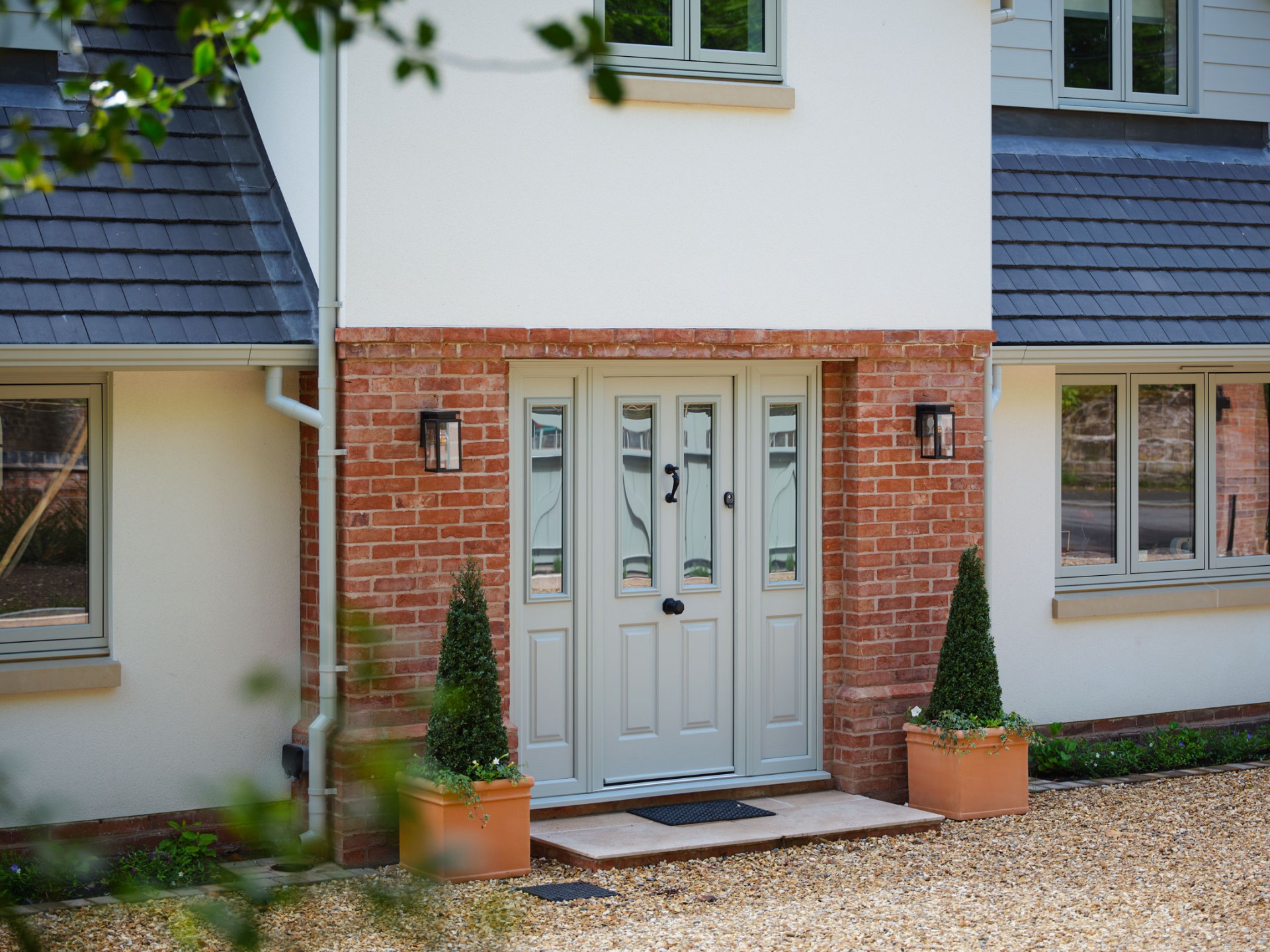
Indian Queens estate homes are ideal for our stock composite ranges — quick lead times and a written 10-year guarantee on every door.

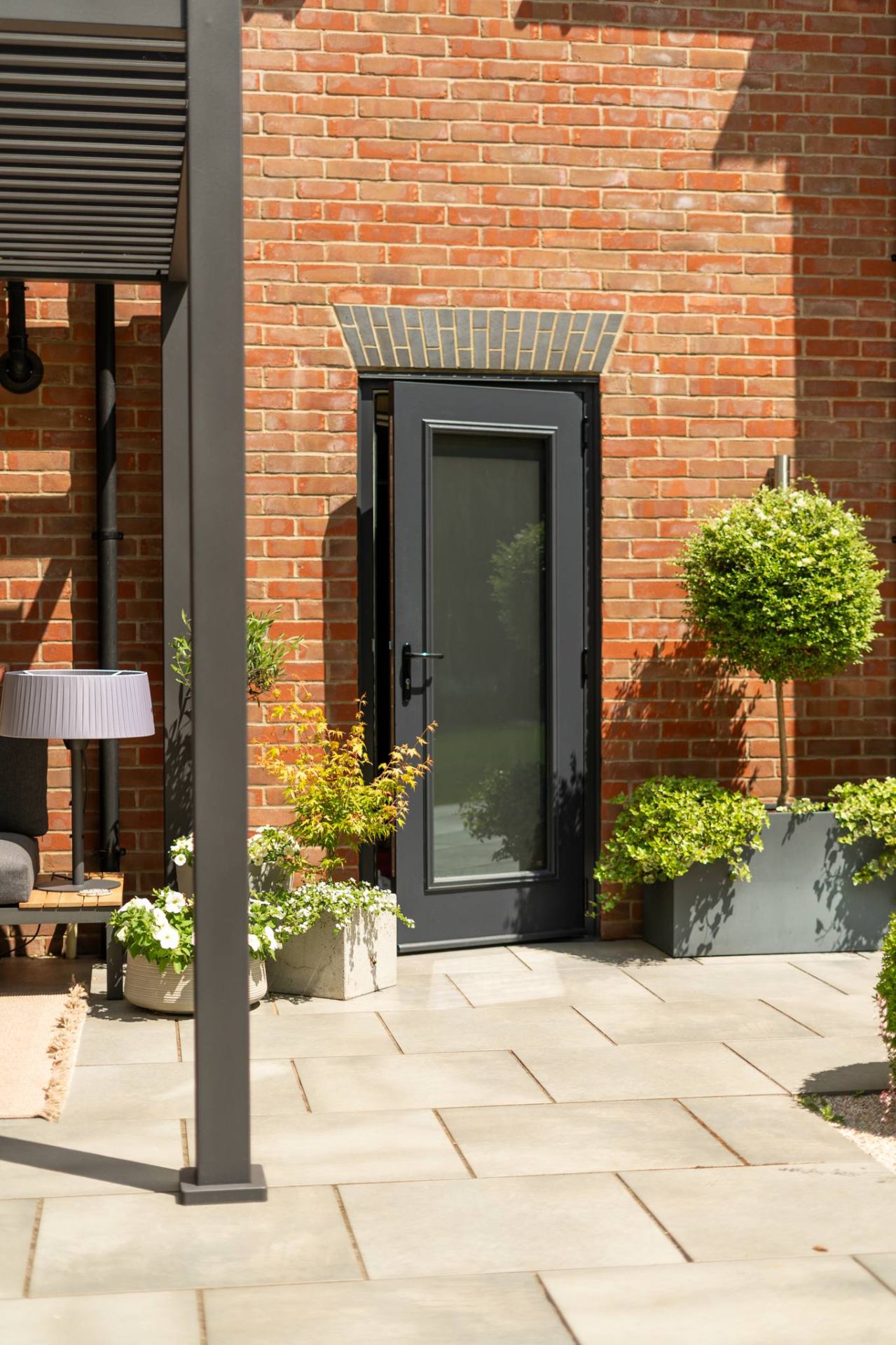
Anthracite Grey fully-glazed composite back door on a red-brick home
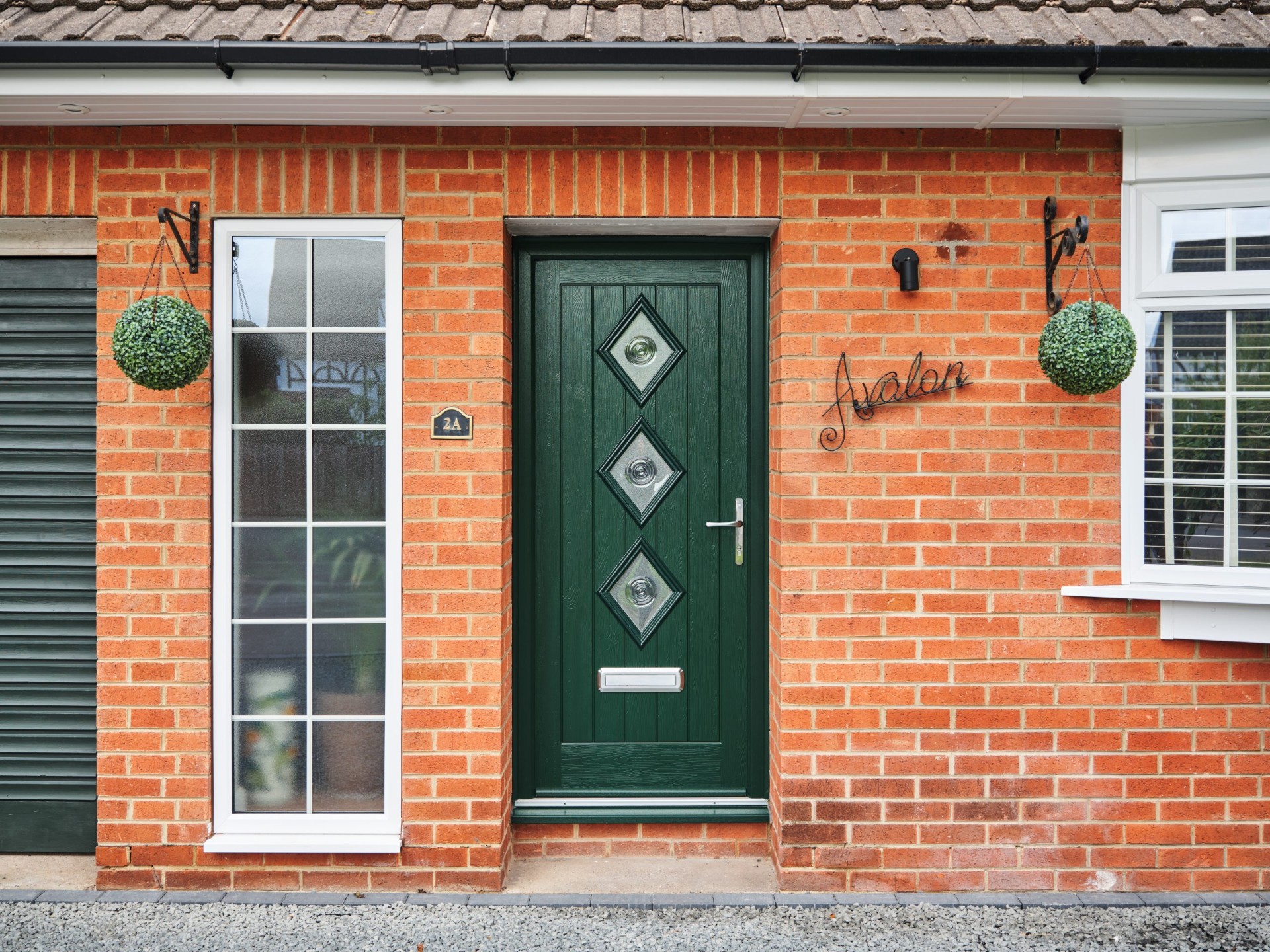
Green cottage composite door with three diamond glass panels
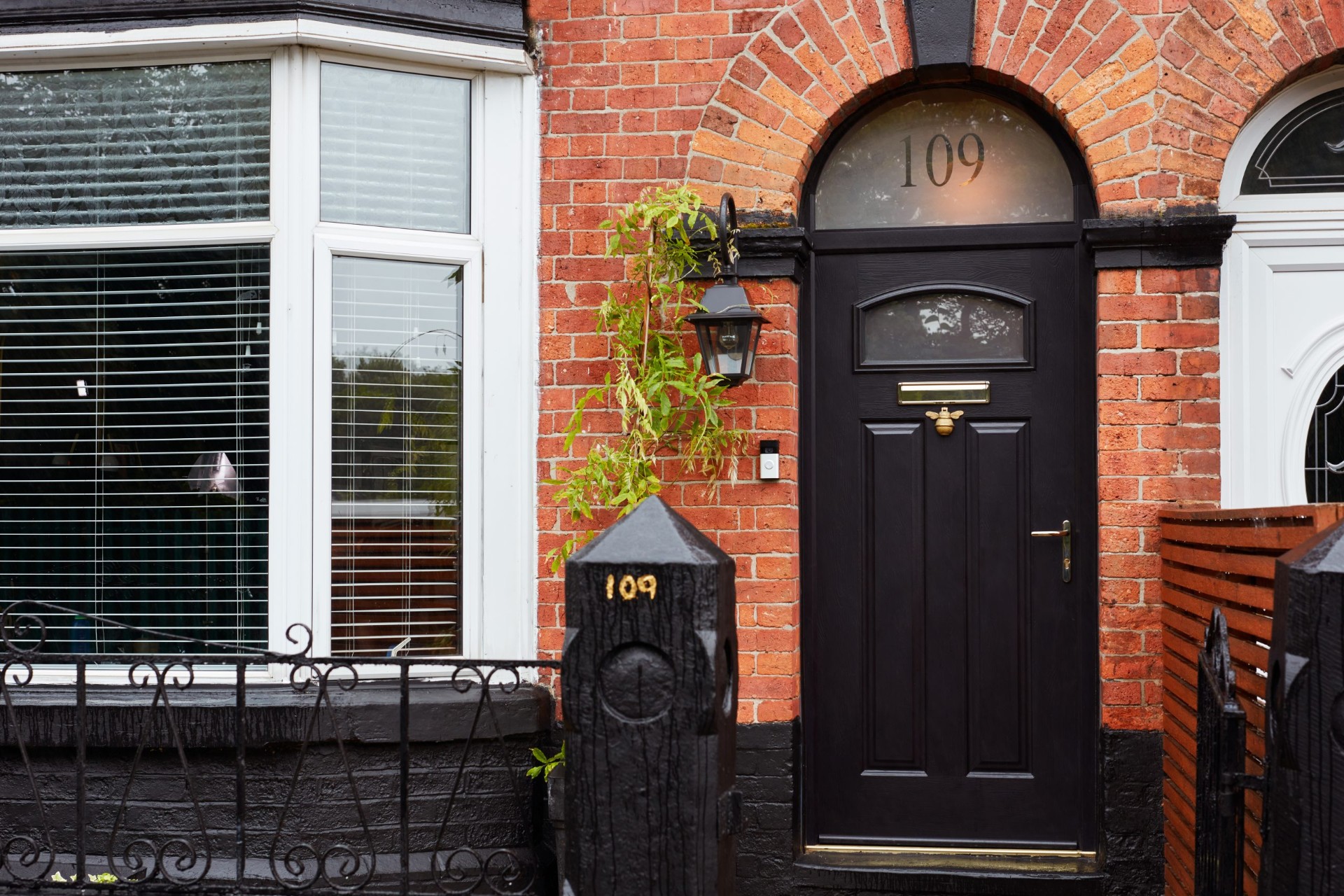
Black traditional composite door with arched fanlight on a Victorian red-brick terrace
PAS24 security tested
10-year written guarantee
Cornwall-based installers
CERTASS certified
Certass registered

Door fitters in Indian Queens — composite front doors, done properly


Indian Queens sits on the A30 corridor in the china-clay country between St Austell and Newquay. Road noise from the dual carriageway is a real consideration for properties on the through-roads, and a solid-core composite doorset with acoustic seals damps that noise measurably.


On the ground in Indian Queens


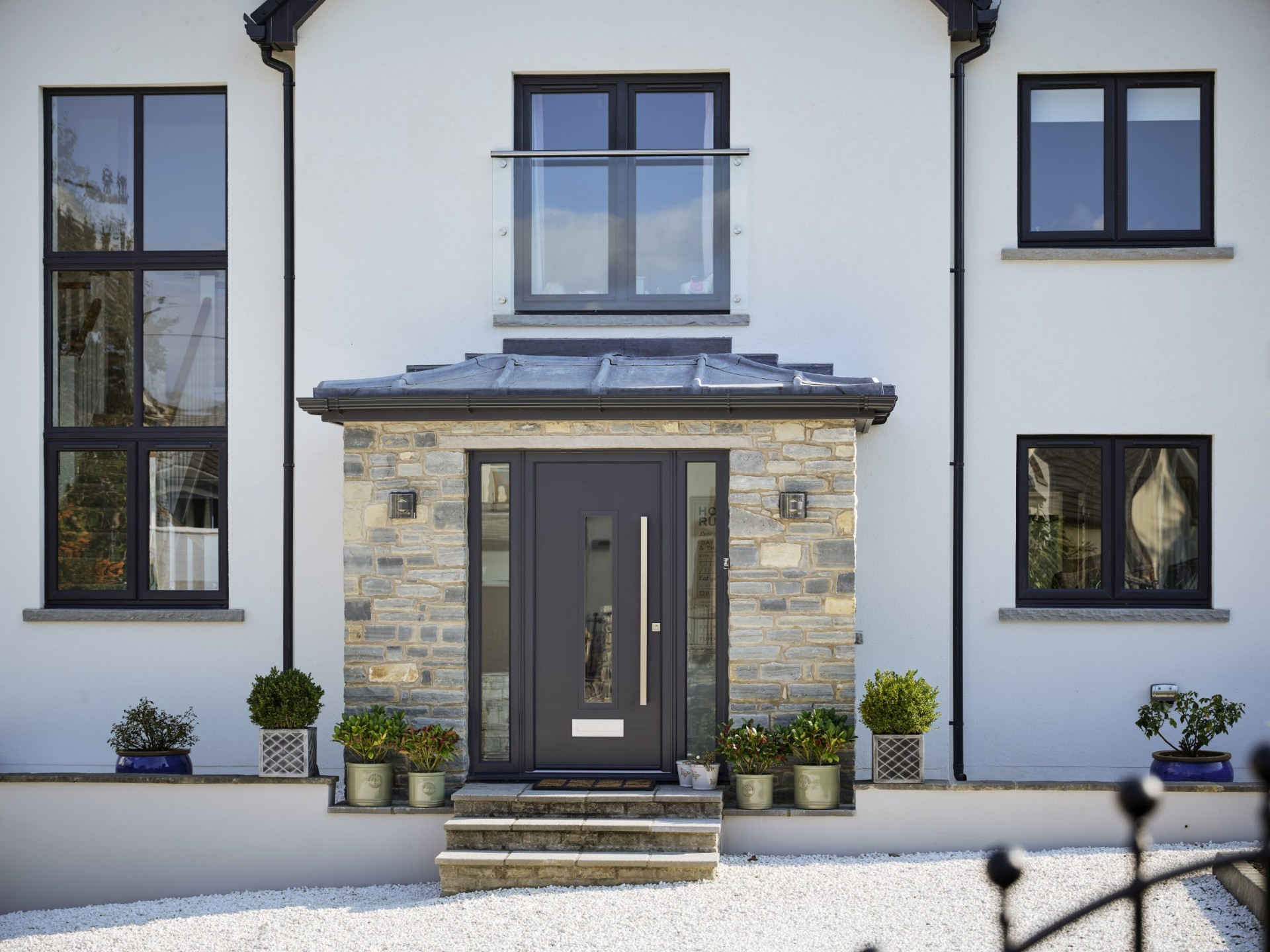
The village's mining-heritage terraces and newer estates both suit composite doors. Anthracite Grey with brushed hardware is the current top pick; the older terraces around Moorland Road still specify plenty of Chartwell Green and Racing Green with chrome furniture.


Composite door prices in Indian Queens


Fitted composite doors in Indian Queens start from £1,395 for a standard single doorset and rise to around £2,895 for a wider door with side panels or premium hardware. Every quote is fixed and written — see our UK composite door cost guide for the full 2026 price breakdown, or read about front door replacement across Cornwall.

Want a quick price?

Free survey, no salesman, no obligation.

Get a free quote

Local landmarks

  • · Screech Owl Sanctuary
  • · Retallack Resort

Postcodes covered

TR9

Benefits

Composite door benefits for Indian Queens homes.

Serious security

PAS24-tested doorset with a 3-star anti-snap cylinder and multi-point locking as standard.

Warm and efficient

U-values around 1.0 W/m²K — significantly better than uPVC or hardwood alternatives.

10-year colour guarantee

UV-stabilised GRP skins that hold their colour for a decade, even on south-facing frontages.

Zero maintenance

Never needs painting. A wipe with warm soapy water twice a year is all it asks for.

Kerb appeal you notice

Bespoke colour, hardware and glass combinations designed around your property.

Installed professionally

Cornwall-based, Certass-registered fitters. Same-day install with a full cleanup.

In short

Indian Queens sits astride the old A30 corridor, a mixed-estate village dealing with constant traffic noise and vibration. We spec composite doors with strong acoustic and thermal performance alongside PAS24 security, fitted from £1,395 to £2,895 with a 10-year guarantee, and we're used to fitting close to a busy road without disrupting the household.

Streets and areas we cover: Moorland Road, Penhale Road, Trekenning, Comford, the estates off the old A30 through-route, Fraddon border streets, and the newer housing toward Victoria and St Enoder parish boundary.

A village shaped by a road, not a river or a rock

Indian Queens grew where it did because of a route, not a natural feature — it sat on the old main road west, and everything about the village's layout still reflects that: it's linear in parts, dense in others, with a real mix of housing that ranges from older roadside cottages that would once have watched stagecoaches and later cars trundle through, to 1970s and 80s estate development that filled in behind as the village expanded, to newer infill closer to Victoria. There isn't one dominant housing type here the way there might be in a purely industrial clay village — it's a genuine mix, and the composite doors we fit reflect that variety.

The older cottages fronting directly onto the historic road line are often the ones needing the most careful specification, simply because they're closest to the noise and vibration of passing traffic even now that the A30 bypass has taken the worst of it further out. The estate housing set back on Moorland Road or Penhale Road has an easier time of it, with more distance and often other houses buffering the worst of the road noise, but even there, residents notice the difference a well-sealed composite door makes compared to the tired uPVC unit it's replacing.

What we don't see much of in Indian Queens is a uniform, planned aesthetic — this is a village that's grown by addition rather than design, and that gives homeowners a fair bit of freedom in door choice, since there's no strong local character to clash with.
Traffic, noise and the spec it drives

The single biggest factor shaping what we recommend in Indian Queens isn't weather exposure — it's noise and vibration from traffic. Even with the A30 improvements over the years, the village still carries a good volume of local and through traffic on its older road frontage, and vibration from heavy vehicles is a real, if often underestimated, factor in door performance. A poorly fitted or lightweight door will rattle in its frame over time, and residents on the roadside properties notice it, especially at night.

We spec composite doors here with a focus on solid core density and a well-fitted, multi-point locking system that keeps the door leaf tight against the frame under vibration, not just under normal use. The GRP-skinned composite slab itself has a genuinely useful sound-deadening quality compared to hollow uPVC doors, and it's one of the most common upgrade conversations we have with customers on the busier stretches — people are often surprised at how much quieter a hallway feels after we've fitted a solid composite door in place of an ageing panel door.

Thermal performance matters here too, but for a slightly different reason than in an exposed village like Roche — it's less about driving rain and more about the general draughtiness that comes with an older frame that's been rattled loose by decades of passing traffic. We check reveal squareness carefully on the road-facing properties, because vibration over the years can genuinely shift an old timber sub-frame slightly out of true, which then needs addressing before a new door goes in cleanly.

For estate properties set back from the main road, the requirements are more conventional — good thermal performance, decent security, solid but not exceptional acoustic demands — and we spec accordingly rather than over-selling a heavier acoustic package nobody there actually needs.

Colour choices across a mixed streetscape

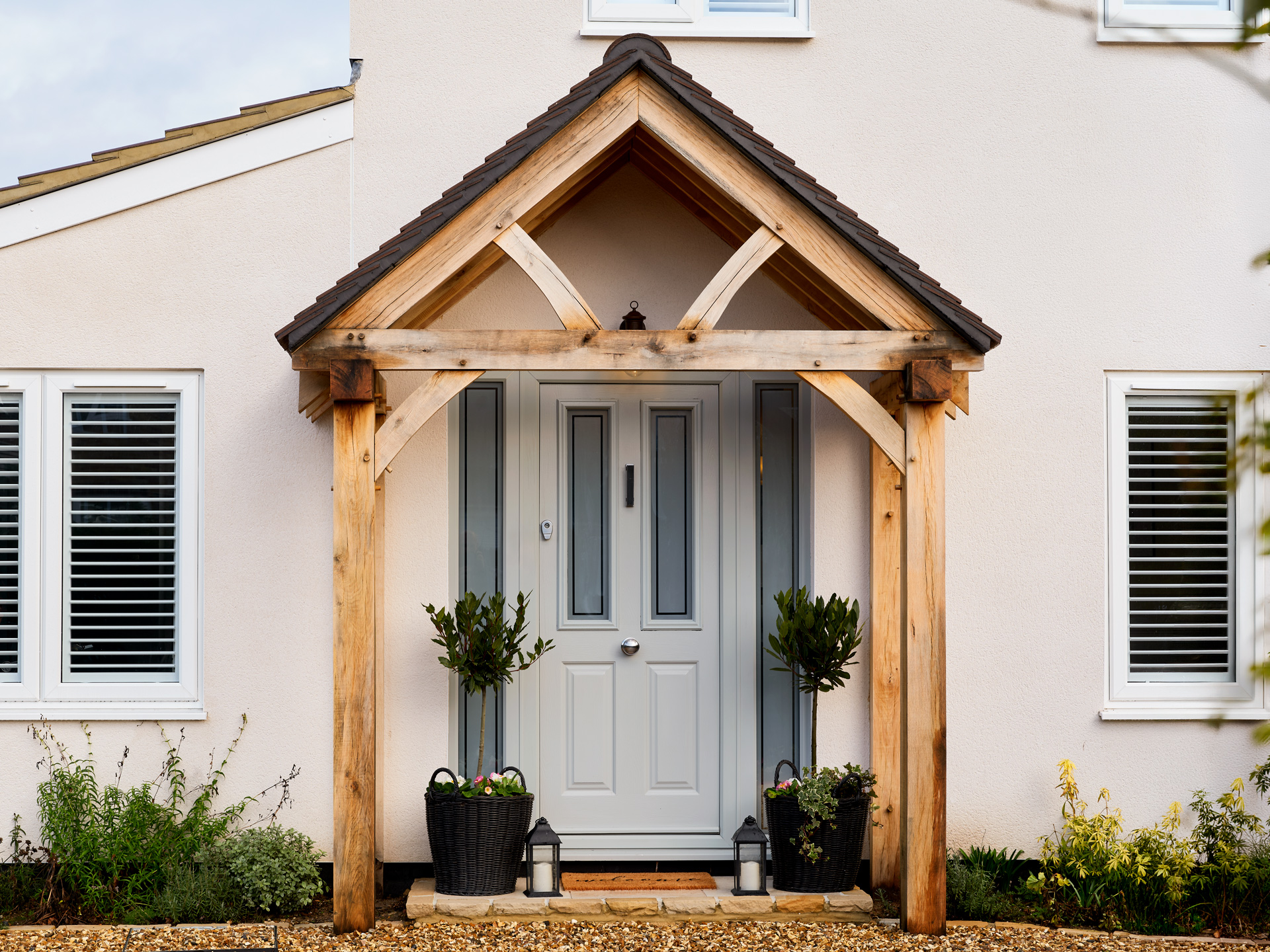
Because Indian Queens doesn't have one dominant architectural style, colour choice here tends to be led by the individual house rather than any village-wide pattern. On the older roadside cottages, often rendered or painted brick, we see a lot of interest in Rich Sandalwood and Chartwell Green — colours with enough depth to look established next to older brickwork without appearing dated.

On the estate housing from the 1970s and 80s, which tends to have plainer brick or pebble-dash finishes, Anthracite Grey remains the most requested colour by some distance — it's a safe, contemporary choice that lifts an otherwise unremarkable brick frontage and matches easily with grey or black uPVC windows that a lot of these houses already have fitted.

We do get more requests for bolder colours in Indian Queens than in some of the more conservative villages nearby — Duck Egg Blue and even Black have both gone in on estate properties recently, generally on houses where the owner wants their door to stand out a little against a fairly uniform row of similar houses. There's less of a sense here that a bold colour will look 'wrong' against the surroundings, because the surroundings themselves are such a mix.

Whatever the choice, we'd flag one practical point specific to this village: road grime settles faster here than in quieter spots, so paler colours on road-facing doors need a bit more regular cleaning to stay looking sharp, something we mention honestly at quote stage rather than after the event.

Security and insurance near a busy road

A through-road brings footfall, and footfall cuts both ways — more passing eyes on a property, but also more passing opportunity for anyone casing houses along a route rather than singling one out deliberately. We don't think Indian Queens has any particular crime problem, but we do think a busy road frontage is a reasonable argument for not skimping on door security, and most of our customers here agree once we've talked it through.

Every composite door we fit comes with PAS24 certification and a 3-star anti-snap cylinder as standard, which covers forced entry testing rather than just a lock spec on its own. For properties directly on the old road line, we'd also suggest a door viewer as standard, simply because callers at the door are more frequent in a village with through-traffic than in a quiet cul-de-sac, and it's a small addition that makes a real difference to peace of mind.

We provide full security certification with every install, which insurers are increasingly keen to see on file, particularly for buildings cover renewals — it's a five-minute paperwork job for us and it saves you having to chase it later.

Install day: working close to traffic

Fitting a door on a property that fronts directly onto a busy road takes a bit more planning than a standard estate install, mostly around access and safety rather than the door itself. On Moorland Road and the older road-frontage cottages, we often need to park the van carefully to avoid narrowing the carriageway, and we'll always talk this through with the customer beforehand so there's no awkwardness on the day.

For the estate properties set back from the main road, install day is usually straightforward — good driveway access, no traffic considerations, single day turnaround in almost all cases.

On the older cottages we occasionally find, as mentioned, that decades of vibration have shifted a timber sub-frame slightly, so there can be a bit of remedial packing needed to get the new composite door sitting square. We flag this wherever we can spot it at survey stage so it's priced in rather than a surprise.

Aftercare for a busier household

Every door carries our 10-year guarantee. In Indian Queens specifically, the thing we'd ask customers to keep an eye on is the seal condition around the frame on road-facing doors — vibration over time can very gradually work a compression seal loose at the edges, and catching it early means a quick adjustment rather than a bigger job.

We'd also suggest checking the multi-point lock engages smoothly every few months; on a well-used family door in a busier household, the mechanism gets more daily use than in a quieter setting, and regular light lubrication keeps it running smoothly for years. None of this is unusual maintenance — it's the same basic care we'd recommend anywhere — but a household on a busy road puts a door through slightly more daily use, so it's worth being a bit more attentive.

Buying and selling in Indian Queens

Indian Queens is a village people often move to for practical reasons — good road links, reasonable prices compared to the coast, and a straightforward commute in either direction — and buyers here tend to be practically minded too. We find that what sells a door here isn't a showpiece design so much as a genuine sense that the house has been looked after: solid security, tidy kerb appeal, no obvious draughts or damp round an old frame.

For anyone selling a roadside property in particular, a well-fitted, sound-deadening composite door is a point worth mentioning to viewers directly, since noise from the old road frontage is often the first thing a prospective buyer notices and worries about — being able to say the door's been upgraded with that specifically in mind tends to land well.

What it costs in Indian Queens

JobTypical fitted priceNotes
Standard composite door, estate properties£1,395–£1,700Set-back properties away from main road
Composite door with enhanced acoustic core£1,700–£2,150Recommended for road-frontage cottages
Reinforced door with glazed sidelight£2,150–£2,600Popular on larger estate frontages
Bespoke colour, full hardware upgrade£2,600–£2,895Includes door viewer as standard
Sub-frame remedial packing (road-frontage cottages)£100–£200Only if vibration has shifted the opening

Prices are guides from recent Indian Queens jobs; your written quote is fixed after the free survey.

Where we cover

Fitting composite doors across Indian Queens.

Every Indian Queens postcode covered — TR9 — plus the surrounding villages and hamlets. Same specification, same 10-year guarantee, same crew.

Loading map — Par Moor Road, St Austell, PL25 3RF
Get Directions
FAQ

Common questions from Indian Queens.

From the blog

Read our composite door guide for Indian Queens

Local advice on colours, coastal spec, PAS24 security and what a Indian Queens install actually looks like.

Read the Indian Queens guide →

Get started

Free composite door quotes across Indian Queens.

Free, no-obligation surveys across Cornwall. Written 10-year guarantee on every install.

Full county coverage

We cover the whole of Cornwall.

From Bude to Land's End, Padstow to the Lizard — our Cornwall-based surveyors and installers fit composite doors across every town, village and coastal parish in the county. Same standard, same 10-year guarantee, wherever you are.

  • Truro
  • Falmouth
  • Newquay
  • St Austell
  • Penzance
  • Bodmin
  • Bude
  • Launceston
  • Saltash
  • Redruth
  • Camborne
  • Helston
  • Liskeard
  • Wadebridge
Illustrated map of Cornwall showing towns we cover for composite door installation — Bude, Bodmin, Padstow, Tintagel, Newquay, St Austell, Truro, Falmouth, St Ives, Land's End and Lizard Point.