A village strung along a line
St Columb Road grew up along its railway and its clay traffic rather than around a green or a church square, and you can still read that history in the shape of the place — a long, linear run of terraced housing following the old road and rail corridor, with the china clay and mineral railway heritage stamped into the brickwork of the older cottages near the station site. It's a working village through and through, built to house clay workers and railwaymen, and the housing stock reflects that practical, unfussy origin.
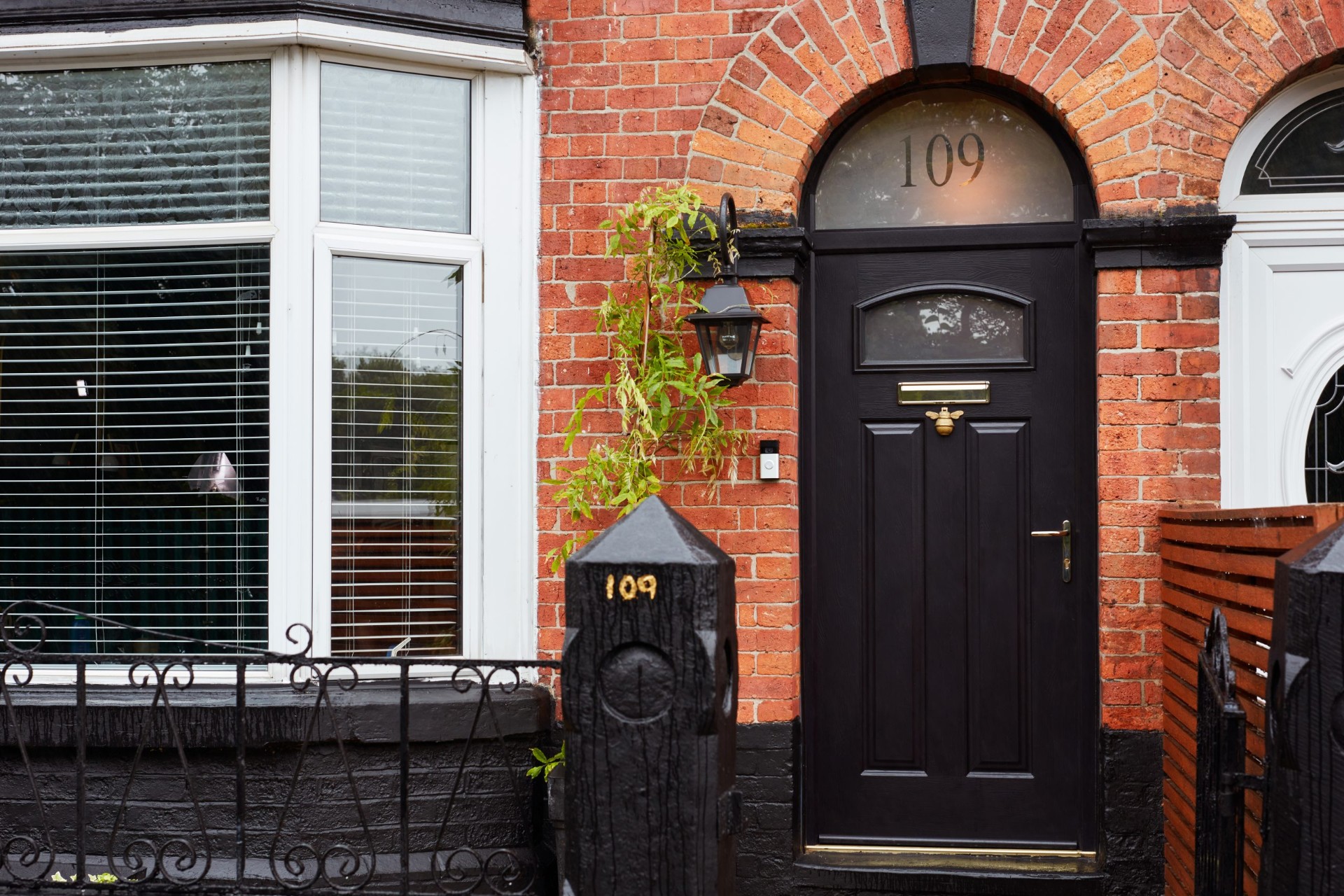
The terraces themselves are narrow-fronted, often with equally narrow door openings that don't always match modern standard door sizes cleanly. We measure these carefully because a slight miscalculation on a 19th-century terrace opening means a door that either needs costly extra brickwork or simply doesn't sit well. Further out, toward Winnards Perch and the smallholdings, the housing opens up into more modern bungalows and detached properties with straightforward standard openings, a real contrast to the terraced village core.
What both ends of the village share is a lack of pretension — St Columb Road isn't chasing a chocolate-box look, and door choices here tend to be practical rather than decorative, though that doesn't mean people don't care how the finished job looks.