An estuary village, not a surf beach — and the door spec reflects it
Lelant gets lumped in with the surf coast because it's a mile from Carbis Bay, but the actual exposure here is different in character. The village looks out over the Hayle estuary and the golf links rather than straight into Atlantic swell, which means less raw wind-driving force but considerably more persistent damp — estuary mist sits in the low-lying lanes around the Saltings for hours at a time, especially on a still autumn morning, and it gets into timber joinery in a way that occasional heavy rain doesn't.
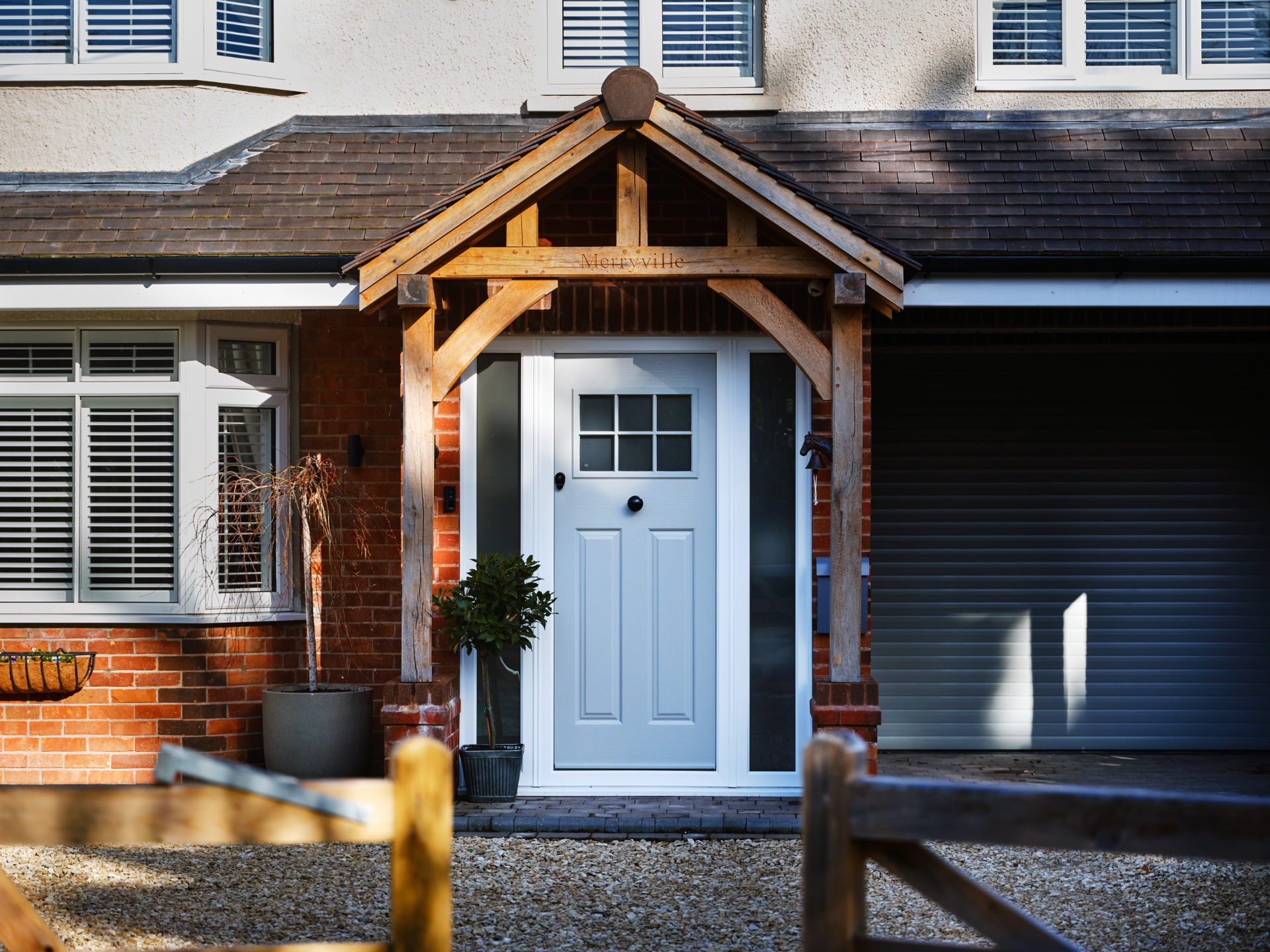
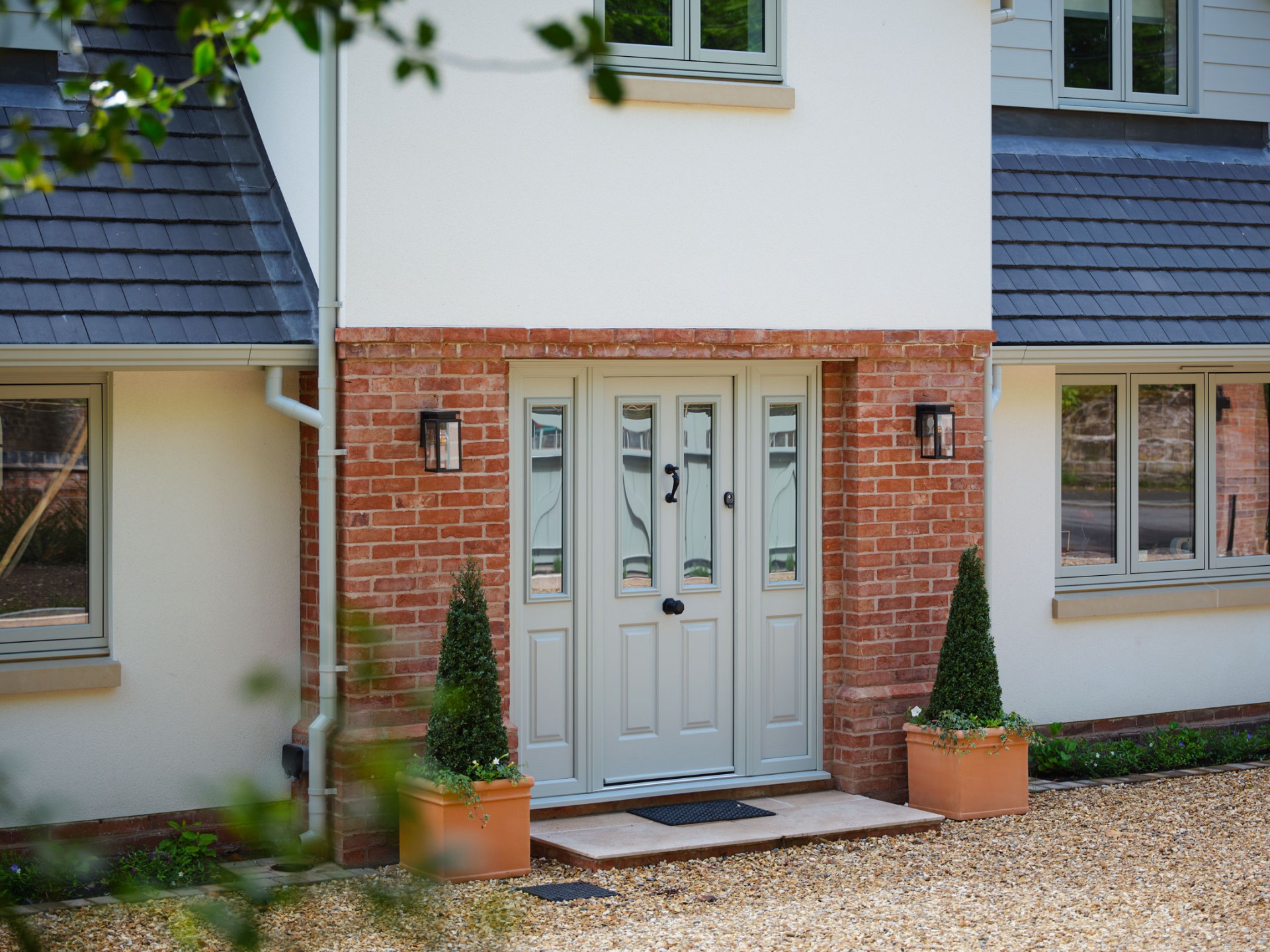
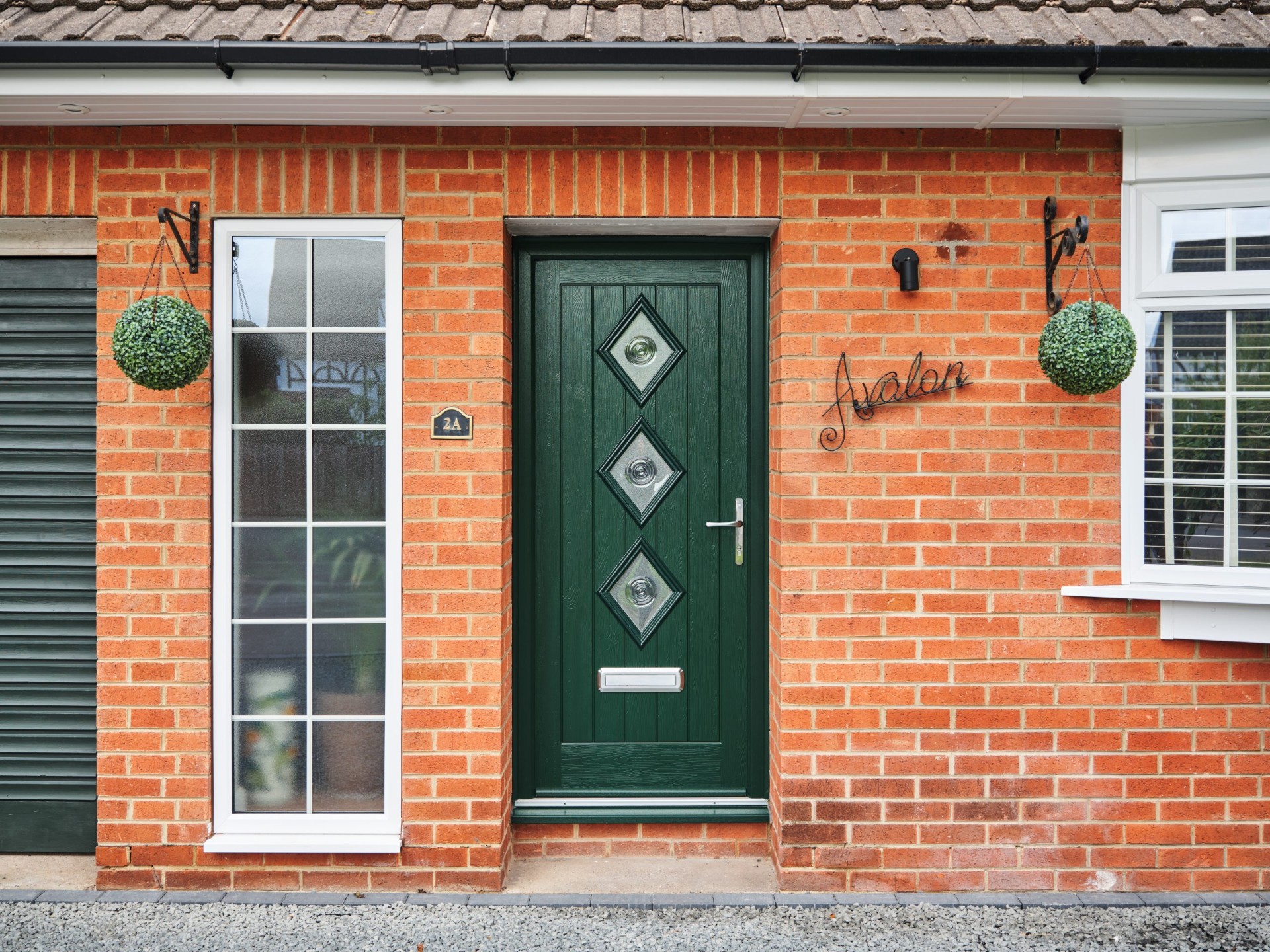
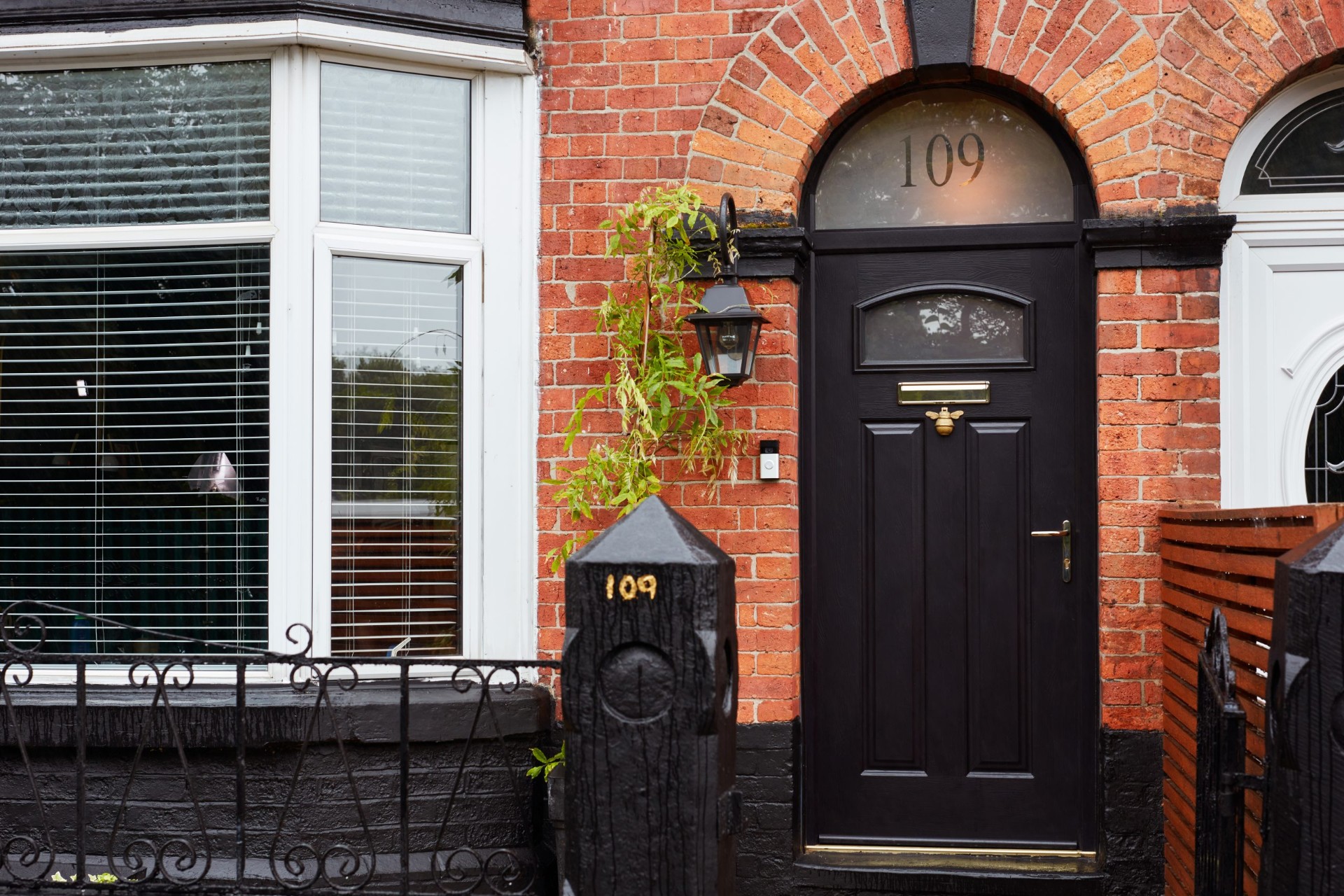
The housing reflects a long settled history rather than a resort boom: stone cottages along Church Lane and Fore Street that predate the railway, Edwardian villas built for the golf club era, and a spread of more modern houses toward Lelant Downs and Trevarrack. Doorways on the older cottages tend to be narrow and low by modern standards, which is where individual templating earns its keep — a composite frame built to the actual aperture rather than a standard size means we're not cutting into original stone reveals to make a stock door fit.
Lelant Saltings itself, the row of properties nearest the estuary and the railway halt, gets the most attention at survey stage. The ground here is often only a few feet above high water, and damp rises as readily as it falls — a door spec that only worries about rain from above is missing half the problem.
It's worth saying plainly: Lelant isn't a village where the front door needs to survive a battering, but it does need to survive years of quiet, persistent dampness without anyone noticing a problem until the door won't shut properly. That's a different design brief to a beach-road property, and one that's easy to under-specify for if you're comparing quotes on price alone rather than on what the doorset is actually built to resist.