A village built into the dunes
Gwithian sits right against one of the largest dune systems on the north Cornish coast, and that proximity shapes almost everything about how a door survives here. Properties along the dune-facing edge of the village, and those on Sandy Lane and toward the Towans, take a genuine sand-blast on a dry, windy day — fine, dry sand lifted off the dunes and driven at the building fabric with real force, not just an occasional gritty breeze. It behaves differently to the salt spray problem we deal with on a rocky headland like Sennen or Land's End: sand is abrasive in a way salt spray isn't, and over years it can visibly scour a soft-finished surface, dull a gloss paint job, and work its way into any gap or channel it can find.
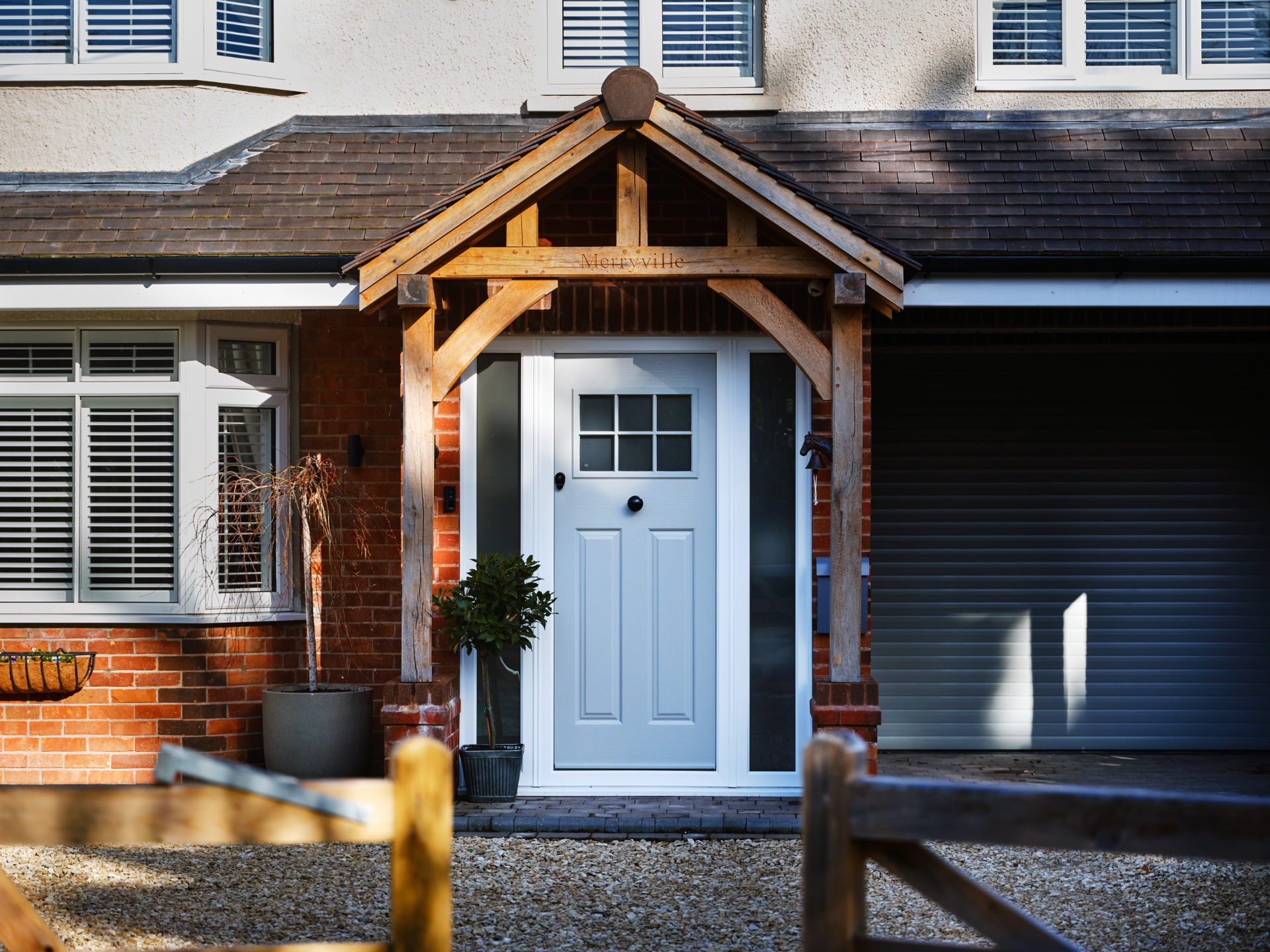
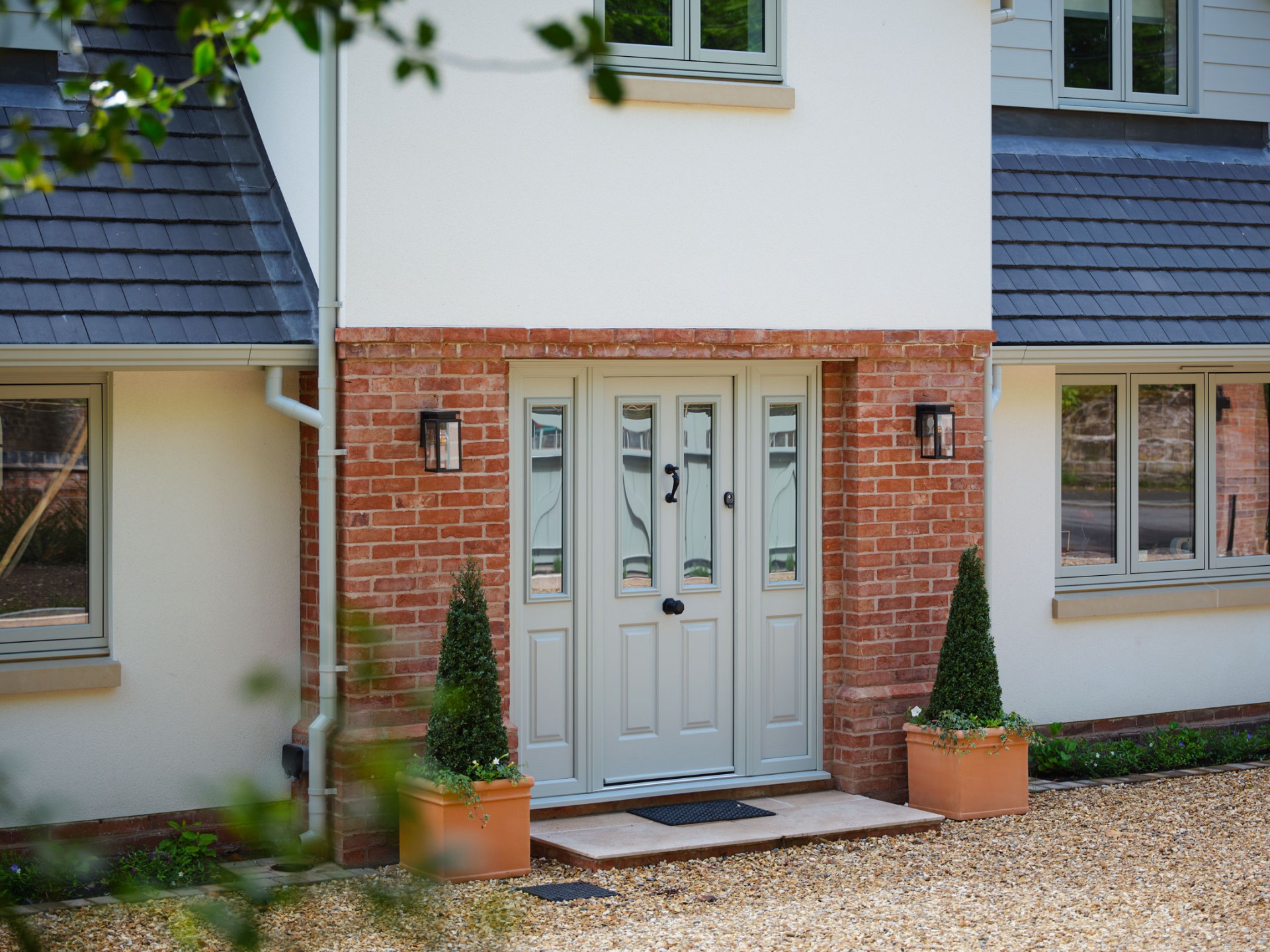
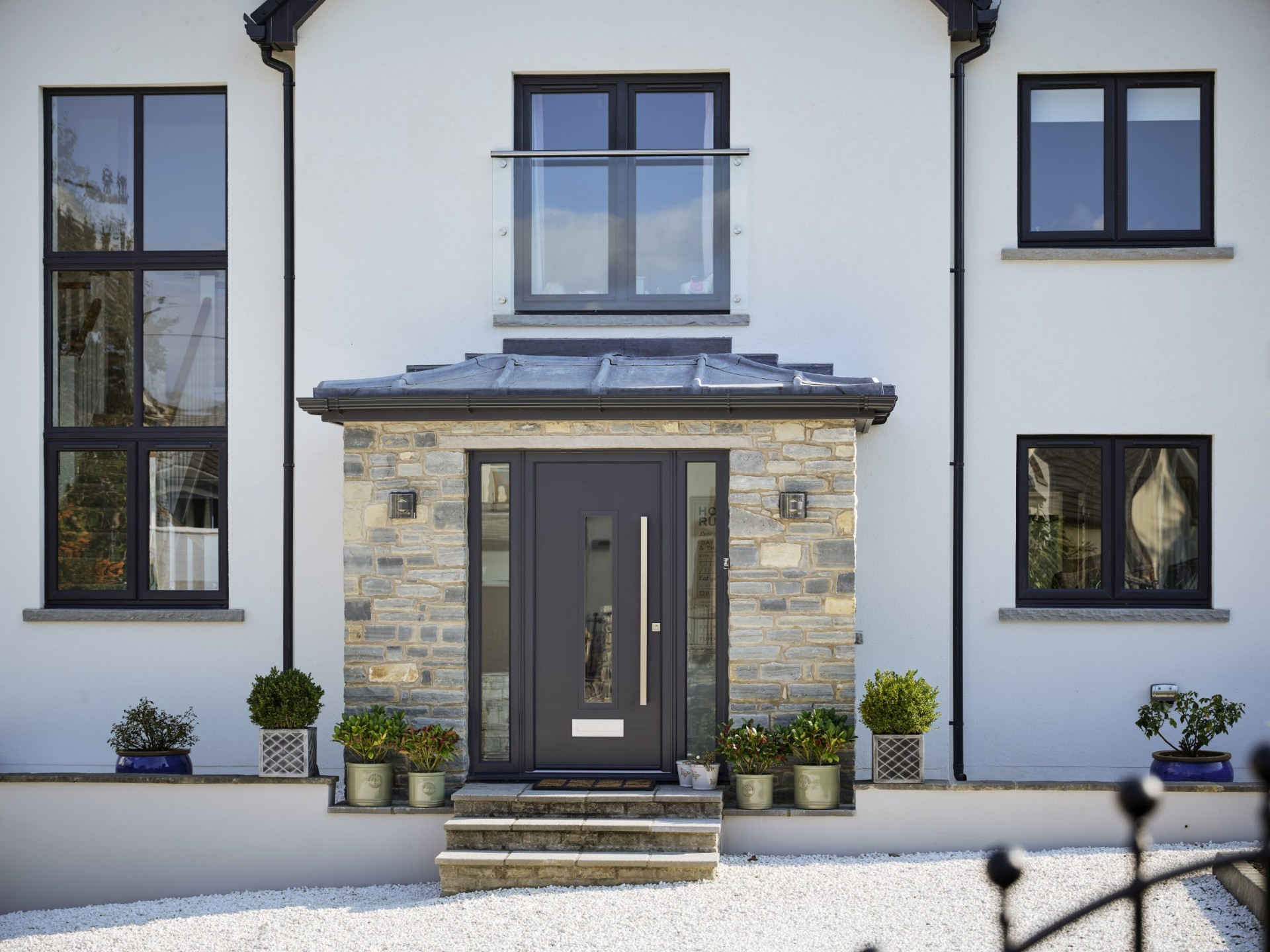
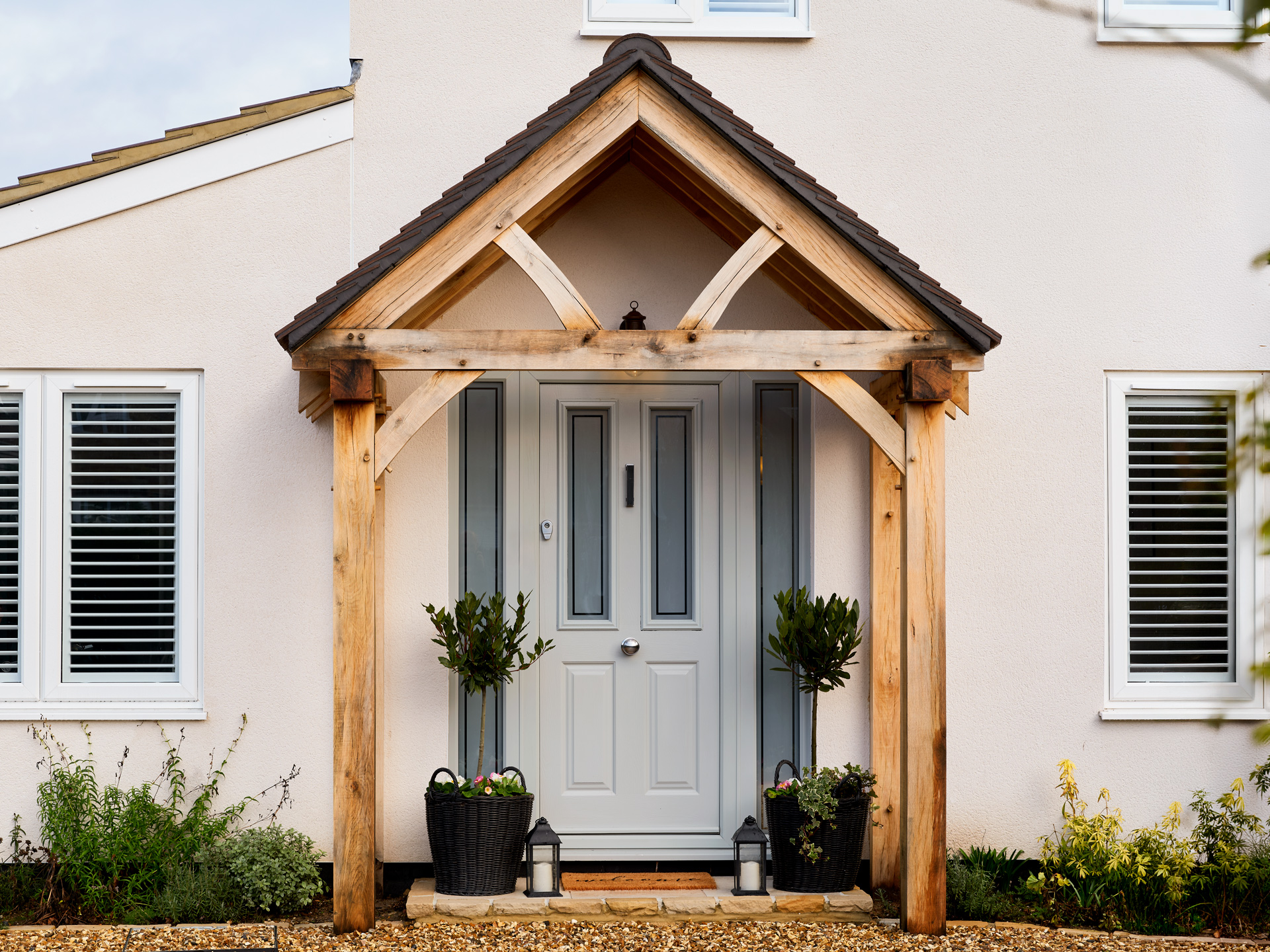
A composite door's factory-hardened GRP skin resists that abrasion far better than painted timber or a soft uPVC finish, but we still specify Gwithian doors with the abrasion risk specifically in mind — wider, less easily blocked drainage channels in the threshold, and seals selected for their resistance to fine particulate ingress rather than just water. We also avoid recommending very high-gloss finishes on the most dune-exposed properties, since a gloss surface shows fine scratching from windborne sand more visibly over time than a satin or matt finish does.