Composite doors · Charlestown

Composite doors in Charlestown, installed professionally.

Charlestown's Georgian harbour is a Grade II* conservation area. Our heritage composite doors respect the setting while delivering modern security.

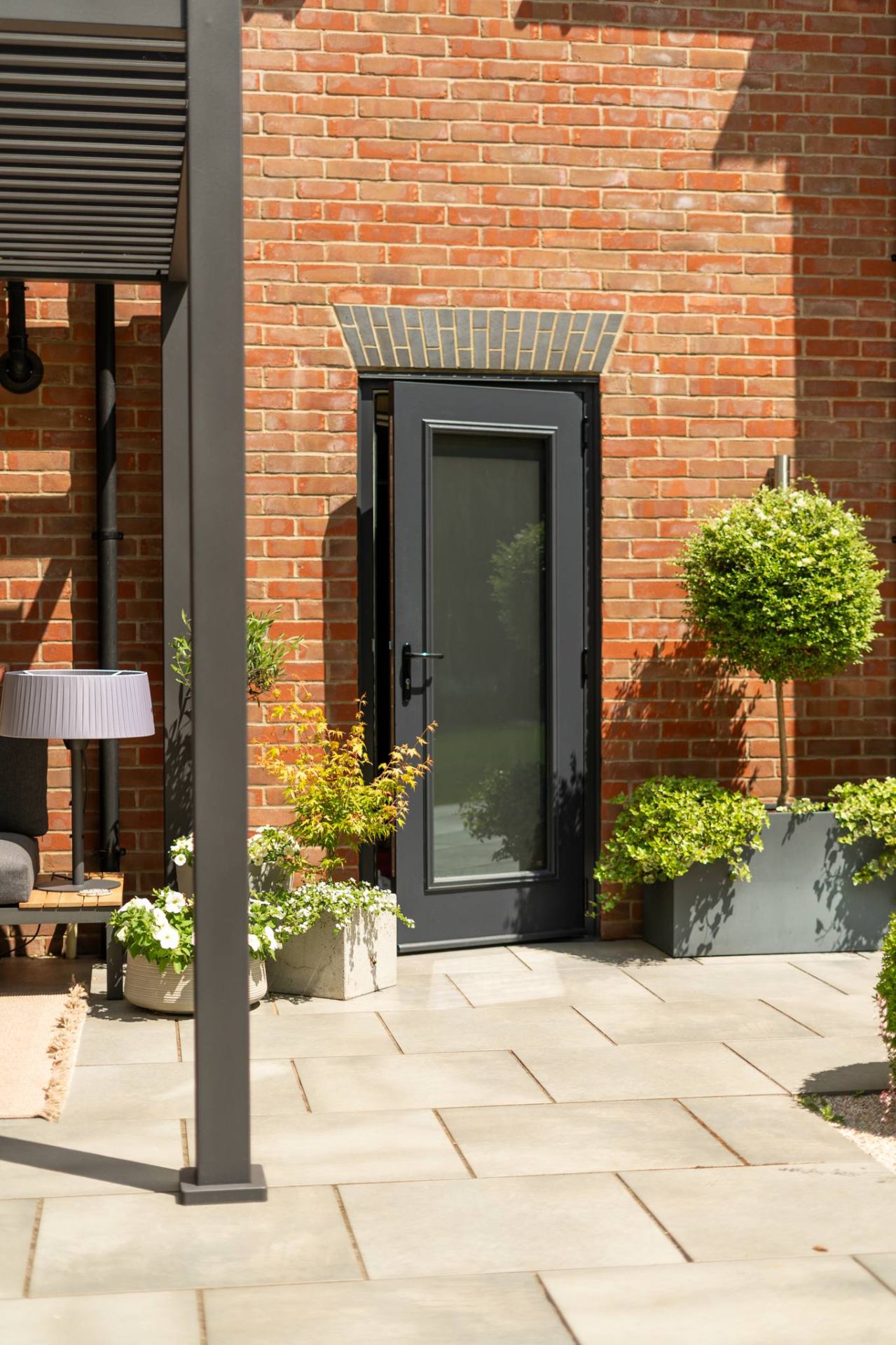
Anthracite Grey fully-glazed composite back door on a red-brick home
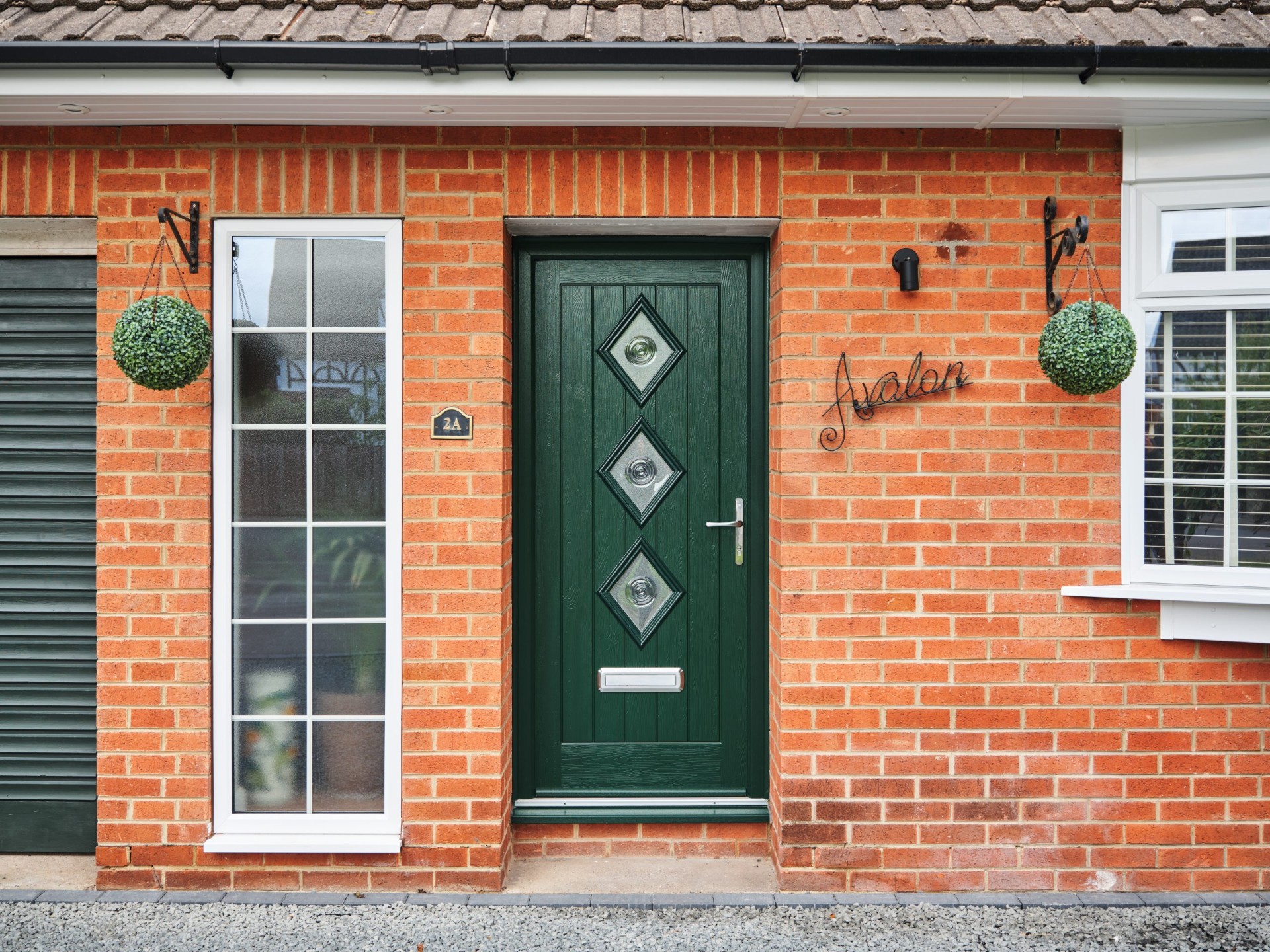
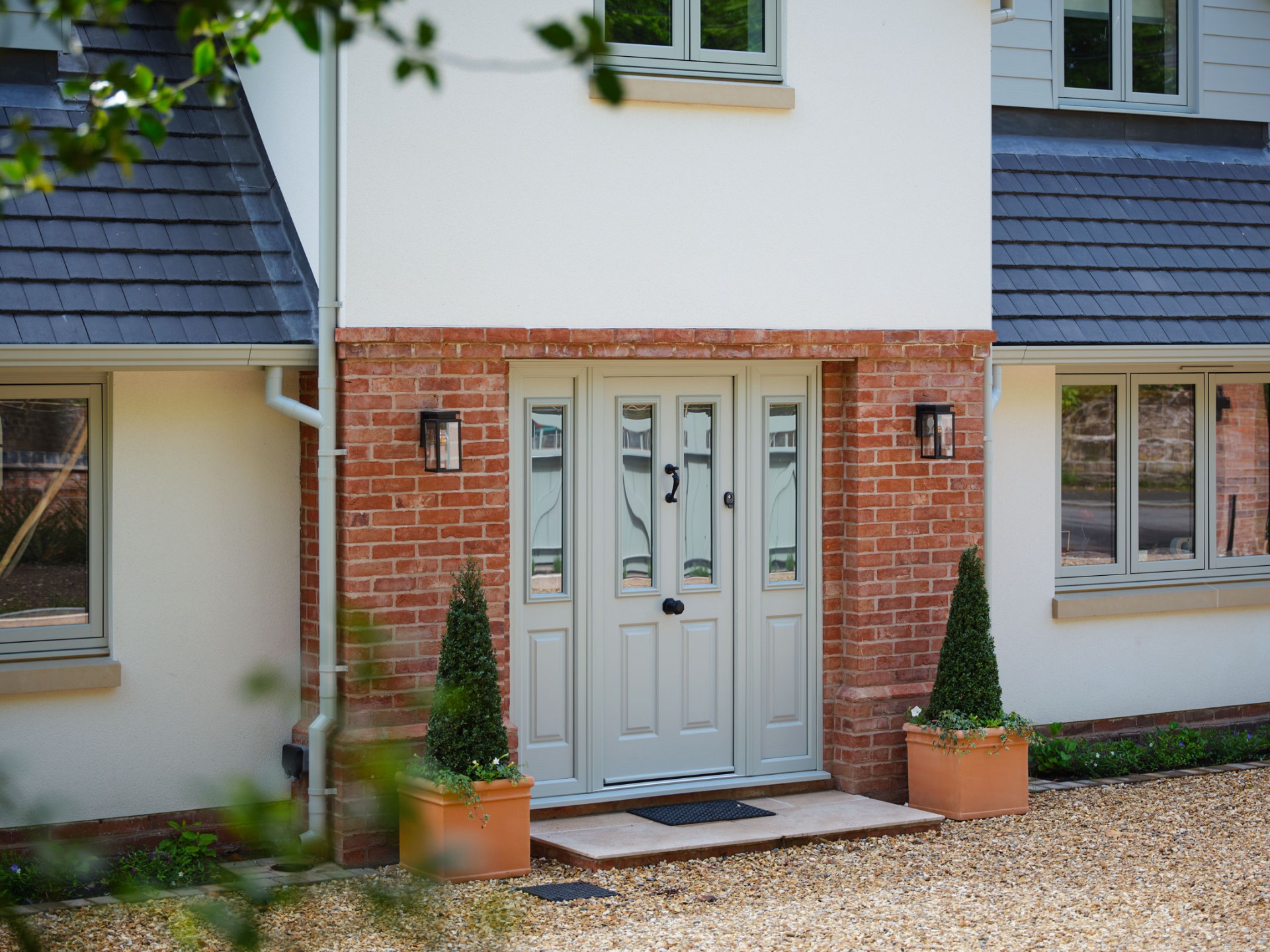
Green cottage composite door with three diamond glass panels
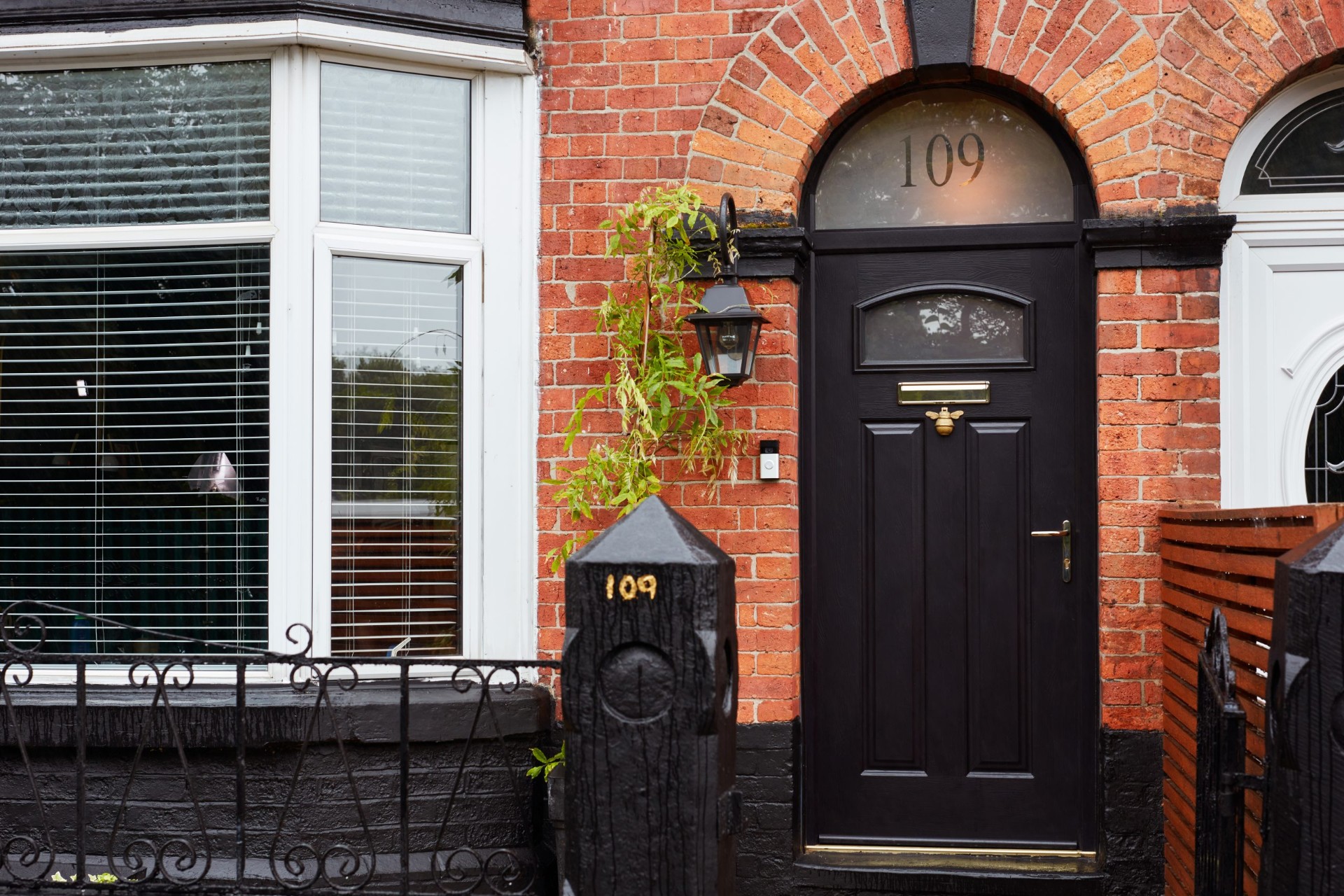
Black traditional composite door with arched fanlight on a Victorian red-brick terrace
PAS24 security tested
10-year written guarantee
Cornwall-based installers
CERTASS certified
Certass registered

Door fitters in Charlestown — composite front doors, done properly


Charlestown's Georgian harbour is Cornwall's best-preserved china-clay port and a conservation area of national significance. The characterful frontages around the harbour and the terraces climbing away from it all sit within a heavily-managed streetscape context.


On the ground in Charlestown


Any front-door replacement here needs to sit properly against that Georgian character — a heritage-style composite door with a traditional panel layout, chrome furniture and top-light glazing does the job. Marine-grade fixings are standard because the harbour throws salt at every property year-round.


Composite door prices in Charlestown


Fitted composite doors in Charlestown start from £1,395 for a standard single doorset and rise to around £2,895 for a wider door with side panels or premium hardware. Every quote is fixed and written — see our UK composite door cost guide for the full 2026 price breakdown, or read about front door replacement across Cornwall.

Want a quick price?

Free survey, no salesman, no obligation.

Get a free quote

Local landmarks

  • · Charlestown Harbour
  • · Poldark filming location

Postcodes covered

PL25

Benefits

Composite door benefits for Charlestown homes.

Serious security

PAS24-tested doorset with a 3-star anti-snap cylinder and multi-point locking as standard.

Warm and efficient

U-values around 1.0 W/m²K — significantly better than uPVC or hardwood alternatives.

10-year colour guarantee

UV-stabilised GRP skins that hold their colour for a decade, even on south-facing frontages.

Zero maintenance

Never needs painting. A wipe with warm soapy water twice a year is all it asks for.

Kerb appeal you notice

Bespoke colour, hardware and glass combinations designed around your property.

Installed professionally

Cornwall-based, Certass-registered fitters. Same-day install with a full cleanup.

In short

Charlestown sits inside a conservation area with listed Georgian frontages, so composite door replacement usually needs planning sign-off before we touch the opening. We fit heritage-look composite doors that match period panel proportions and colours, work around filming schedules and harbour access restrictions, and guide you through the conservation officer conversation rather than leave you to it.

Streets and areas we cover: Charlestown Road, Quay Road, Passage Lane, Church Road, Duke Street, Charlestown harbourside cottages and the terraces above the china clay wharfs

Why Charlestown is different from anywhere else we fit doors

Charlestown isn't a normal village job. It's a designated conservation area built around a working Georgian harbour, and a fair number of the cottages facing the quay and running up Charlestown Road are listed or sit within the curtilage of a listed building. That changes the conversation before we've even measured the opening. Anywhere else in Cornwall we'd talk colour and hardware first; here we talk planning first.

The village also earns its living, in part, from looking exactly like 1790. Tall ships berth in the harbour, film crews turn up with startling regularity, and the Charlestown Trust and residents alike take a dim view of anything that looks like it belongs on a 1990s housing estate. A chunky white uPVC door with fake leaded lights would stick out like a diesel generator at a wedding.

So our approach here starts with a walk round and an honest answer: is this door likely to need listed building consent, is it inside the conservation area boundary (most of the harbour frontage is), and does the existing door have any historic features worth retaining or replicating, such as a fanlight, moulded architrave or a specific panel arrangement. We've fitted enough doors in this stretch to know which streets the planners scrutinise hardest and which are more relaxed.
Listed buildings and conservation area rules explained plainly

If your property is statutory listed, swapping the front door is very likely to need listed building consent regardless of what the door is made from, because it's about visual and historic character, not material. Cosmetic County Council conservation guidance also applies more broadly across the whole Charlestown conservation area, even on unlisted buildings, so a door that would sail through in nearby St Austell can still get queried here.

In practice, the questions a conservation officer asks are fairly consistent: does the new door match the panel layout, moulding depth and proportions of the original; is the colour appropriate (deep heritage tones rather than bright gloss); does it keep any fanlight or sidelight glazing pattern; and is the ironmongery in keeping, black or aged bronze rather than chrome.

We won't pretend we can guarantee an approval — that's the council's call, not ours — but we do the groundwork properly: photographing the existing door, drawing up a like-for-like or sympathetic replacement spec, and preparing the plain-English description most applications need. Where consent isn't required (a good few unlisted cottages on the upper terraces fall outside stricter enforcement), we'll say so and save you the wait.

Heritage-look composite doors that satisfy conservation officers

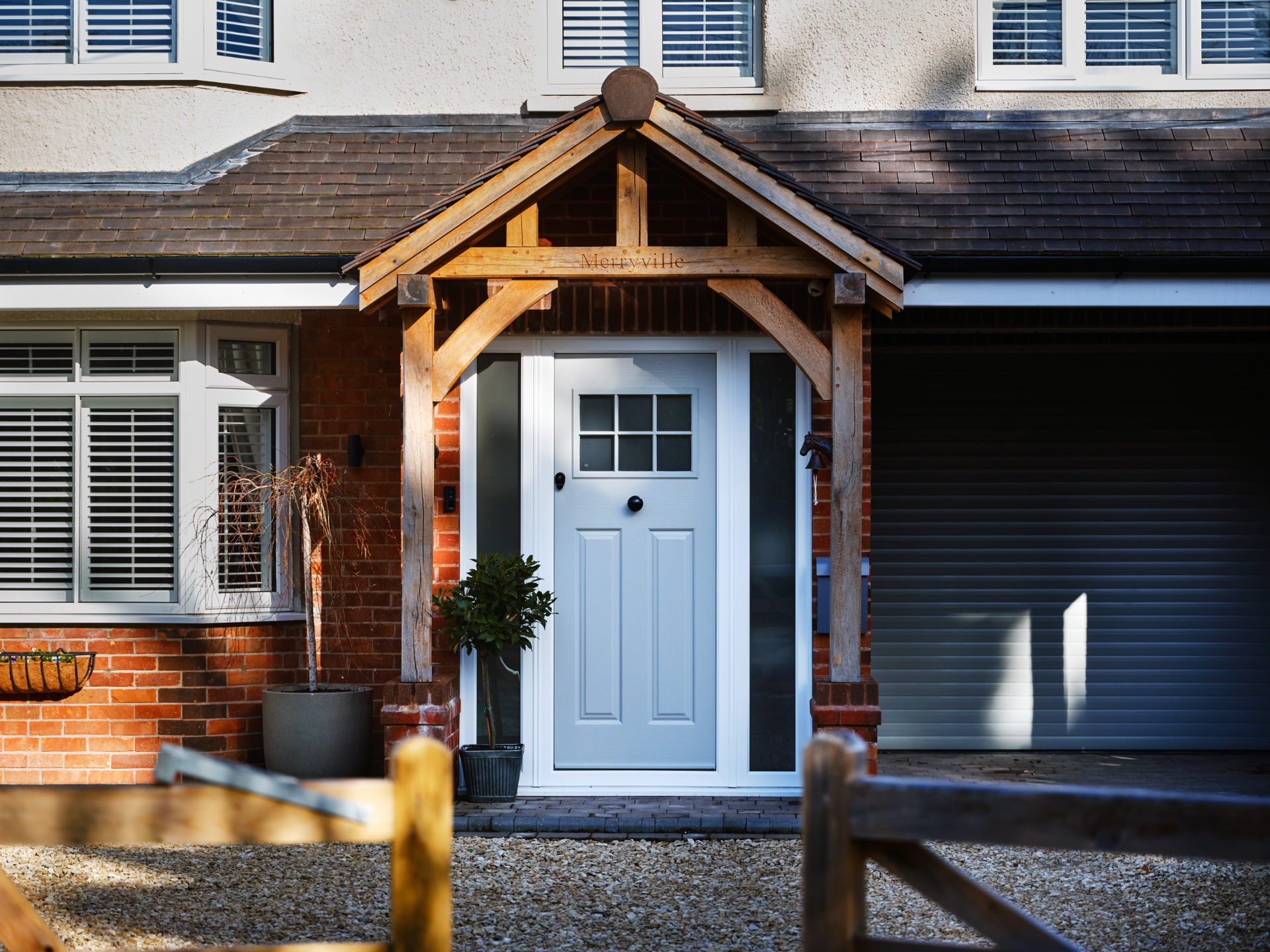
The good news is that composite has come a long way from the door that ruined a hundred Victorian terraces in the 2000s. The Endurance range we fit includes genuinely convincing period styles — deep, moulded raised-and-fielded panels, narrow stiles, and glazing bars that mimic the proportions of a real Georgian six-panel door rather than a cartoon of one from six feet away.

For Charlestown we lean heavily on the darker heritage colours — Black, Chartwell Green, Rosewood and Anthracite Grey — because they read as traditional paint or stained timber rather than plastic. We also spec flush or near-flush hardware, keep fanlights and sidelights glazed in period-appropriate bars rather than modern bevelled units, and can source slimline letterplates that match old brass rather than the standard chunky composite ones.

Composite still gives you the practical upgrade: a solid, insulated, 44mm-plus core, no more swelling and sticking in the sea damp that plagues old timber doors down here, and a 10-year guarantee. You get the look the conservation officer wants without the annual repaint and the draught that comes with a genuinely 200-year-old door.

Working around tall ships, filming and harbour access

Charlestown's working harbour and its use as a filming location (Poldark being the most obvious, but far from the only production to close the quay for a week) means access can be genuinely unpredictable. We've turned up to fit a door only to find the whole harbourside cordoned off for a shoot, and we've learned to ask about the Charlestown Trust's events calendar before we book a fitting date.

Parking is the other constant headache — the harbourside car park fills fast in season and film units often commandeer it entirely, so for jobs on Quay Road or the harbour cottages we'll usually plan to carry materials in by hand from the nearest available drop point rather than assume we can park outside.

None of this makes the job harder in a technical sense, it just means the timetable needs a bit of slack. We build that in when we quote, and if a shoot or a tall ship arrival forces a reschedule, we'd rather move the date than rush a fit in a street that's twelve feet wide and full of tourists with cameras.

Salt air, sea spray and the practical case for composite

Even setting the conservation issues aside, timber doors right on the harbour take a hammering. Salt-laden air and driving rain off St Austell Bay get into joints and end grain fast, and we see doors on Charlestown Road that need repainting every couple of years just to stay presentable, let alone weathertight.

Composite doesn't rot, doesn't need repainting, and the GRP skin shrugs off salt spray that would otherwise strip paint and lift veneer. The foam core also does a proper job of insulating cottages that were, frankly, never built with heat retention in mind — solid stone walls and low ceilings mean draughts round an old door are more noticeable, not less.

PAS24 security and 3-star anti-snap cylinders matter here too. Charlestown gets a steady stream of visitors and, in the height of summer, a lot of foot traffic past front doors that open straight onto narrow pavements. A door that looks Georgian but locks like it's 2024 is exactly the balance most homeowners here are after.

What the process actually looks like

We start with a site visit and an honest listed/conservation assessment, not a sales pitch. If consent is needed, we help prepare the application and factor the council's typical determination period (usually eight weeks, sometimes longer) into the schedule, so you're not left waiting with no fitting date.

Once approved (or confirmed as not required), we template the opening properly — old Georgian frames are rarely square, and Charlestown's cottages are no exception — and manufacture to that exact shape rather than a standard size. Fitting itself is usually a single day, done with dust sheets and a proper clean-up, mindful that you're often living in a small cottage with nowhere else to be while we work.

We register the guarantee, leave you with care instructions suited to a coastal position, and stay contactable if the conservation officer has any follow-up questions once the door's in — it happens occasionally, and we'd rather sort it than leave you holding the phone.

What it costs in Charlestown

JobTypical fitted priceNotes
Standard composite door, unlisted property£1,395–£1,795Where no consent is required and the opening is a standard size
Heritage-style composite door with period panel design£1,795–£2,295Includes deeper moulded panels and heritage colour finish
Bespoke sized door for original Georgian opening£2,195–£2,895Non-standard width/height common on older harbourside cottages
Listed building consent / conservation area planning supportFrom £150Drawing preparation and application guidance; council fee separate
Fanlight or sidelight glazing to match existing pattern£150–£450Depends on complexity of bar pattern replicated

Prices are guides from recent Charlestown jobs; your written quote is fixed after the free survey.

Where we cover

Fitting composite doors across Charlestown.

Every Charlestown postcode covered — PL25 — plus the surrounding villages and hamlets. Same specification, same 10-year guarantee, same crew.

Loading map — Par Moor Road, St Austell, PL25 3RF
Get Directions
FAQ

Common questions from Charlestown.

From the blog

Read our composite door guide for Charlestown

Local advice on colours, coastal spec, PAS24 security and what a Charlestown install actually looks like.

Read the Charlestown guide →

Get started

Free composite door quotes across Charlestown.

Free, no-obligation surveys across Cornwall. Written 10-year guarantee on every install.

Full county coverage

We cover the whole of Cornwall.

From Bude to Land's End, Padstow to the Lizard — our Cornwall-based surveyors and installers fit composite doors across every town, village and coastal parish in the county. Same standard, same 10-year guarantee, wherever you are.

  • Truro
  • Falmouth
  • Newquay
  • St Austell
  • Penzance
  • Bodmin
  • Bude
  • Launceston
  • Saltash
  • Redruth
  • Camborne
  • Helston
  • Liskeard
  • Wadebridge
Illustrated map of Cornwall showing towns we cover for composite door installation — Bude, Bodmin, Padstow, Tintagel, Newquay, St Austell, Truro, Falmouth, St Ives, Land's End and Lizard Point.