The town Bude grew out of
Most visitors to this stretch of the north Cornwall coast know Bude for its beaches and its canal, and have no idea that the older, more historically significant settlement sits a mile or so inland on the hill above it. Stratton was a market town of real standing — a civil war battle was fought on its doorstep in 1643 — long before Bude existed as anything more than a scattering of buildings around a river mouth, and that history is written plainly into the town's fabric. Fore Street and the lanes around the parish church hold a genuine mix of Georgian townhouses, older cottage terraces and coaching-inn-era buildings, several of them listed, in a density you don't get in the newer resort development down the hill.
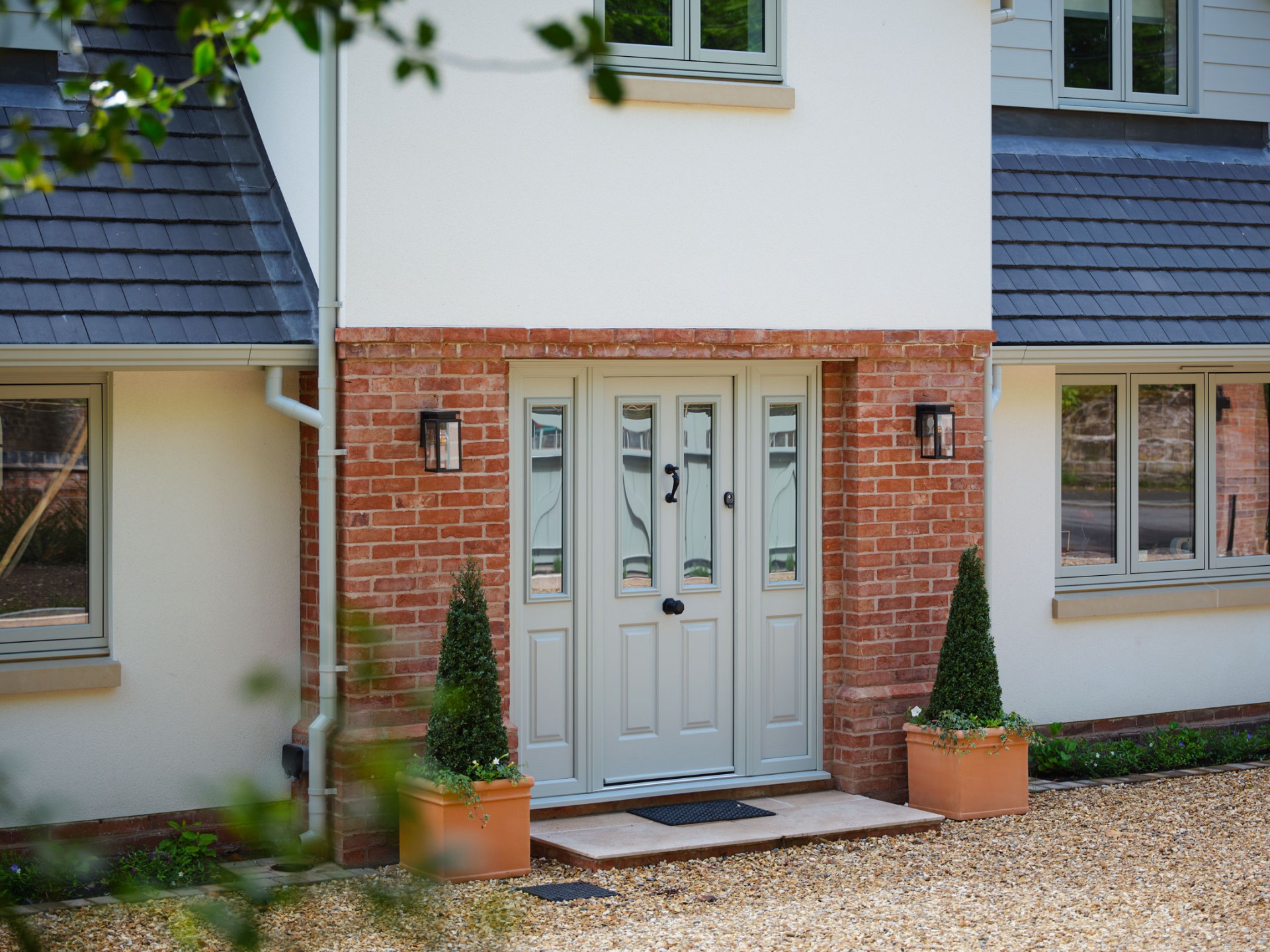
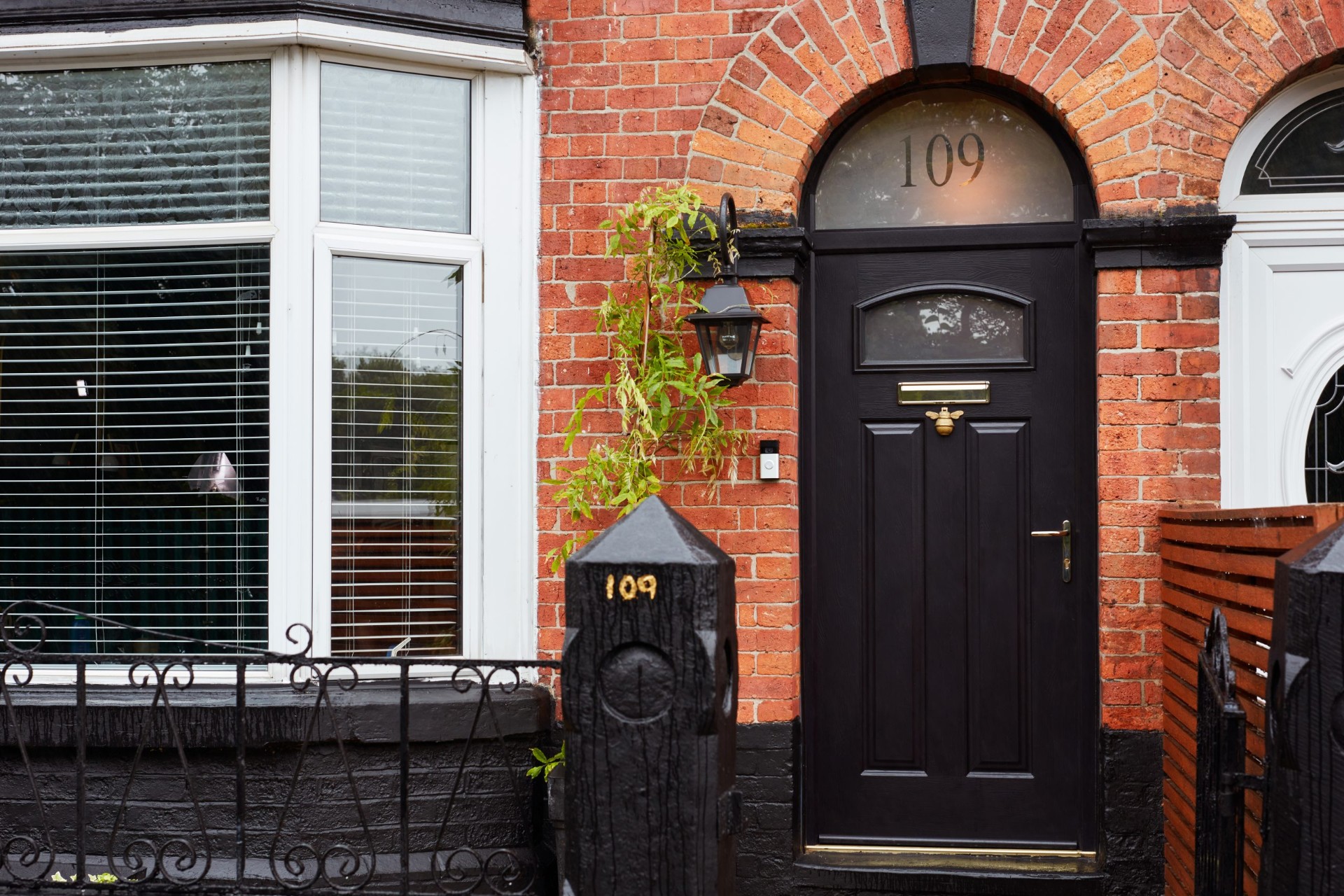
That period housing stock changes the door conversation from the outset. A Georgian townhouse on Fore Street typically has a tall, formally proportioned door opening, often with a fanlight above it and sometimes flanking side panels, and the composite door that goes into that opening needs to respect those proportions rather than simply fill the hole with whatever's cheapest. We spend more time at survey in Stratton discussing panel layout and glazing bar detail than we would on a straightforward 1970s semi, because the visual result matters more on a street this coherent.
Away from the historic core, Howell's Road and the newer infill toward Binhamy Road are far more conventional in terms of door openings, and the job there is a standard templated fit without the added period consideration — useful to know if you're comparing a Fore Street quote against a newer property nearby and wondering why the specification conversation is different.