A village built for a harder climate
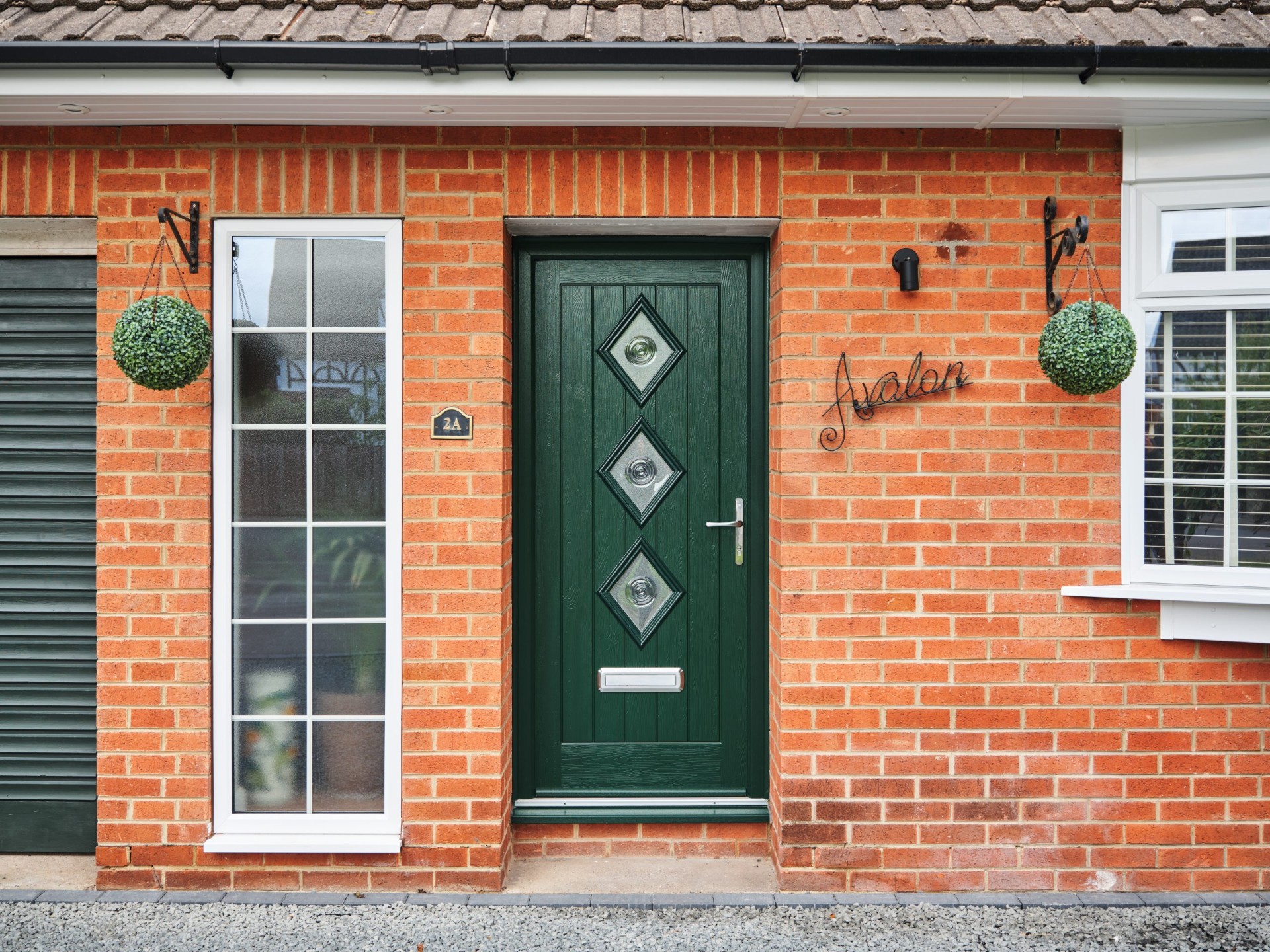
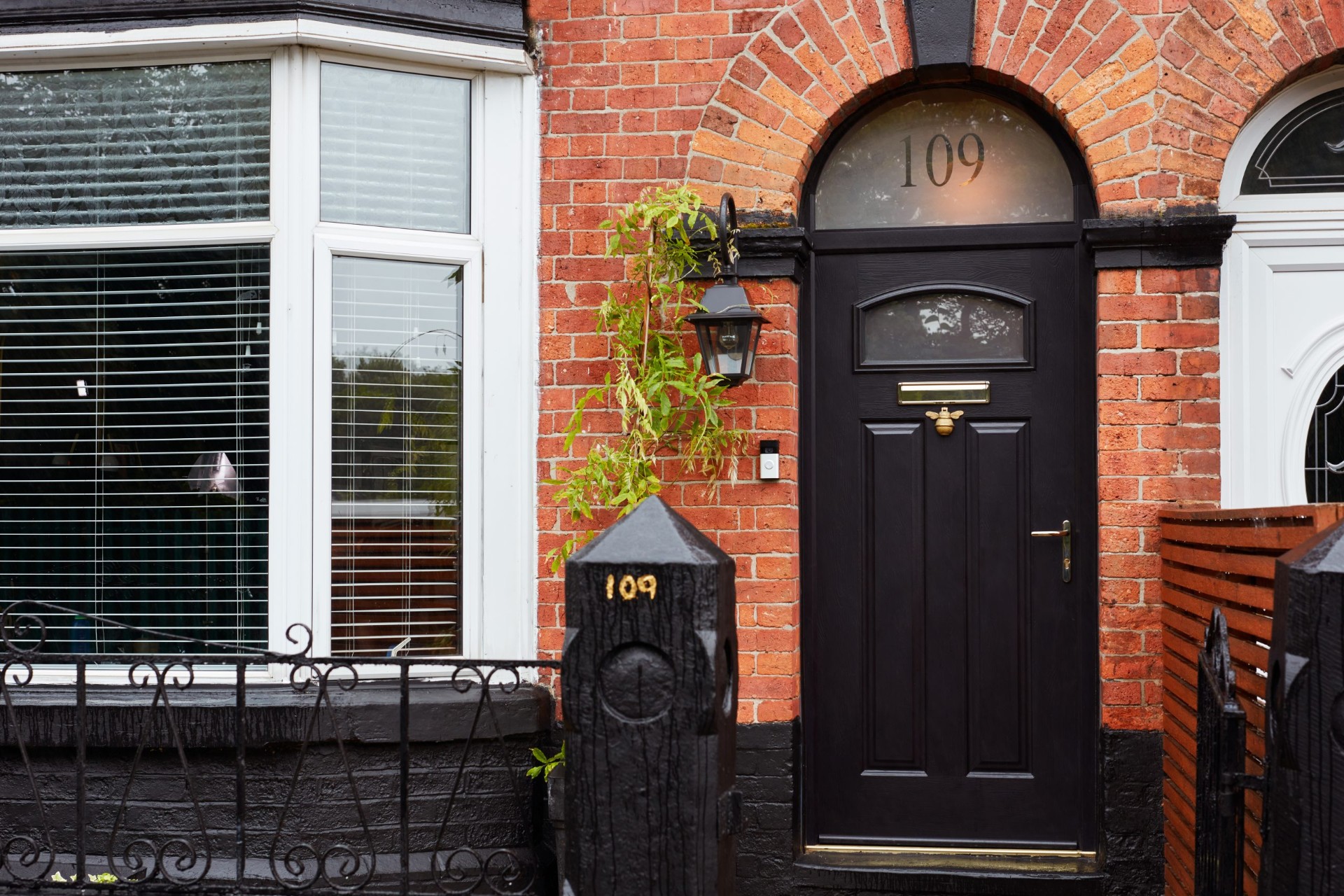
Roche didn't grow up gently. It grew up around clay pits, quarries and a working population who needed housing fast and cheap, then it got knocked about by wind and weather ever since because of where it sits — on a ridge of high ground with Roche Rock itself sticking out of the landscape as a marker of just how exposed this parish is. You get granite cottages from the clay boom years, a scatter of council-built semis from the mid-20th century, and newer infill bungalows and estate houses on the fringes toward Bugle Road and Gonvena Hill. None of it was designed with double glazing in mind, which is exactly why so many of the doors we're called out to replace are either the original softwood back doors, gone soft in the frame, or 1990s uPVC units that have taken twenty-odd years of Roche weather square on the chin and given up.
The granite cottages are the trickiest and the most rewarding. Openings are often narrow, reveals uneven, and the stone itself doesn't forgive sloppy measuring — get it wrong and you'll see daylight round the frame within a winter. We spend longer on survey here than we would on a modern build, because a composite door that's slightly out of true on a 150-year-old opening will bind, drop, or let water track in behind the frame within a year or two. On the estate housing, it's a different problem: standard openings, standard frames, but exposure ratings that a budget door simply isn't built for.
What ties it together is that Roche asks more of a door than most Cornish villages, simply by virtue of altitude and lack of shelter. That's the starting point for every quote we give here.