Composite doors · Mousehole

Composite doors in Mousehole, installed professionally.

Mousehole's granite harbour cottages need a door that respects the conservation area while performing to a modern spec. Heritage composite is the answer.

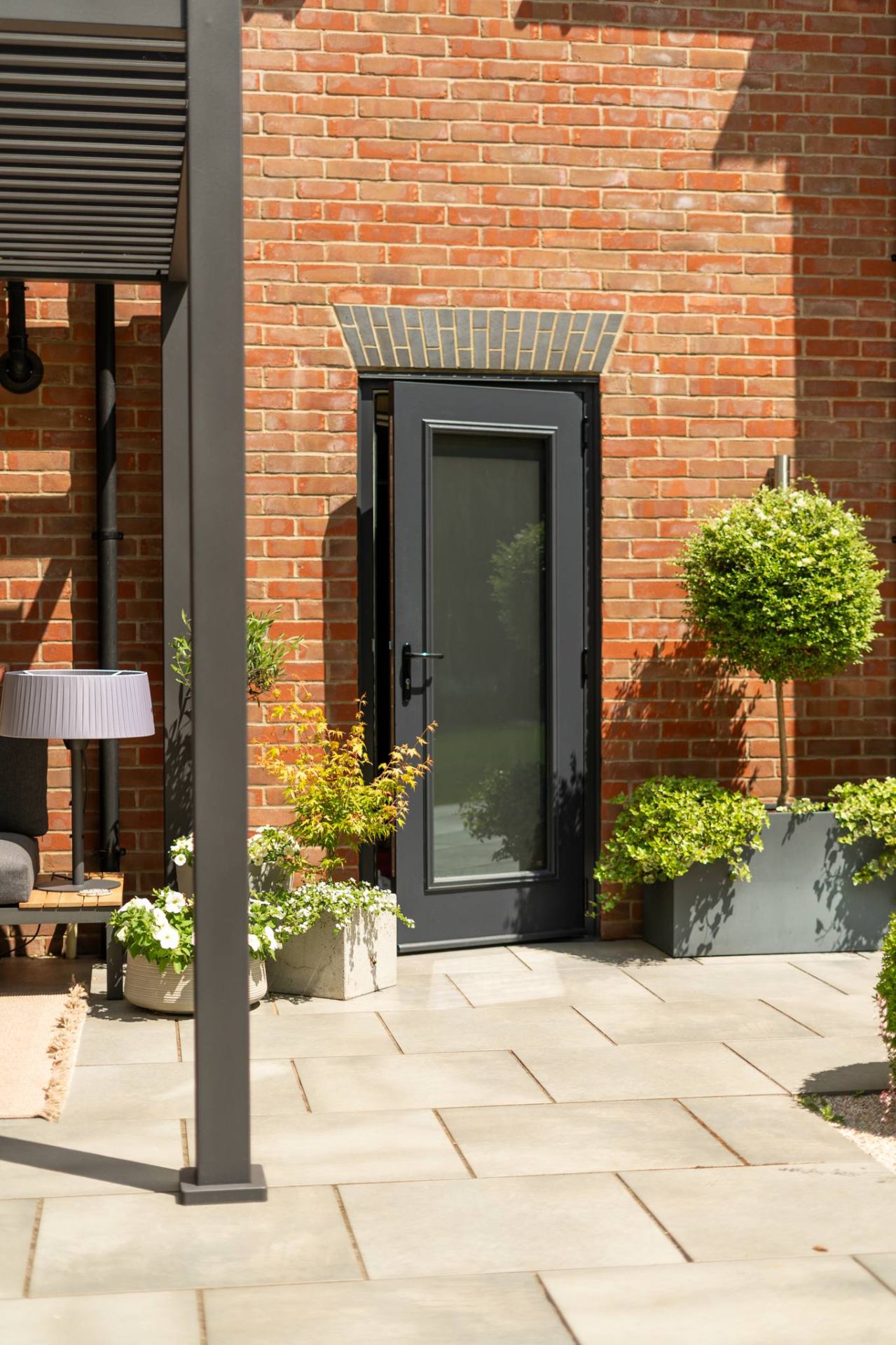
Anthracite Grey fully-glazed composite back door on a red-brick home
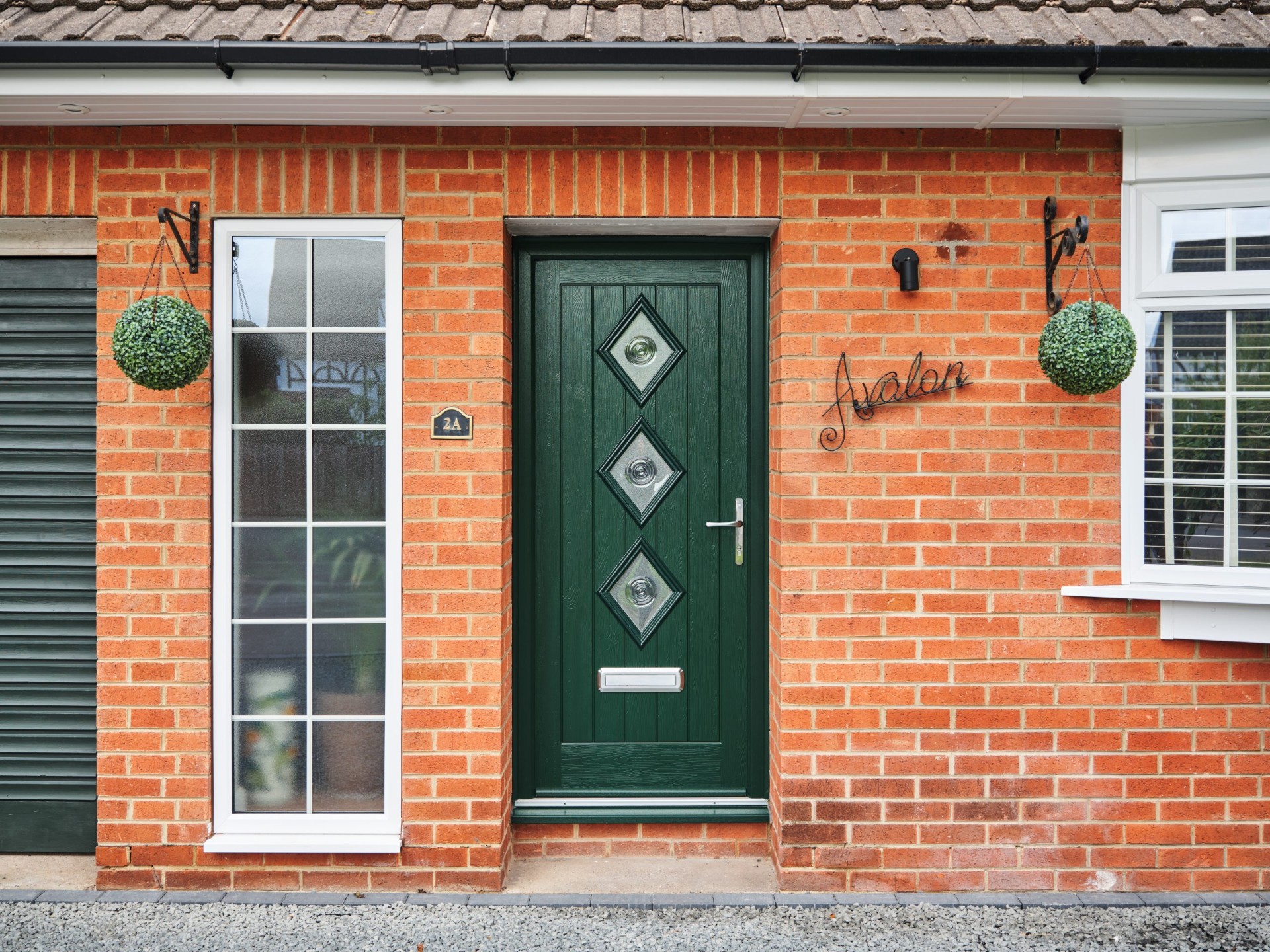
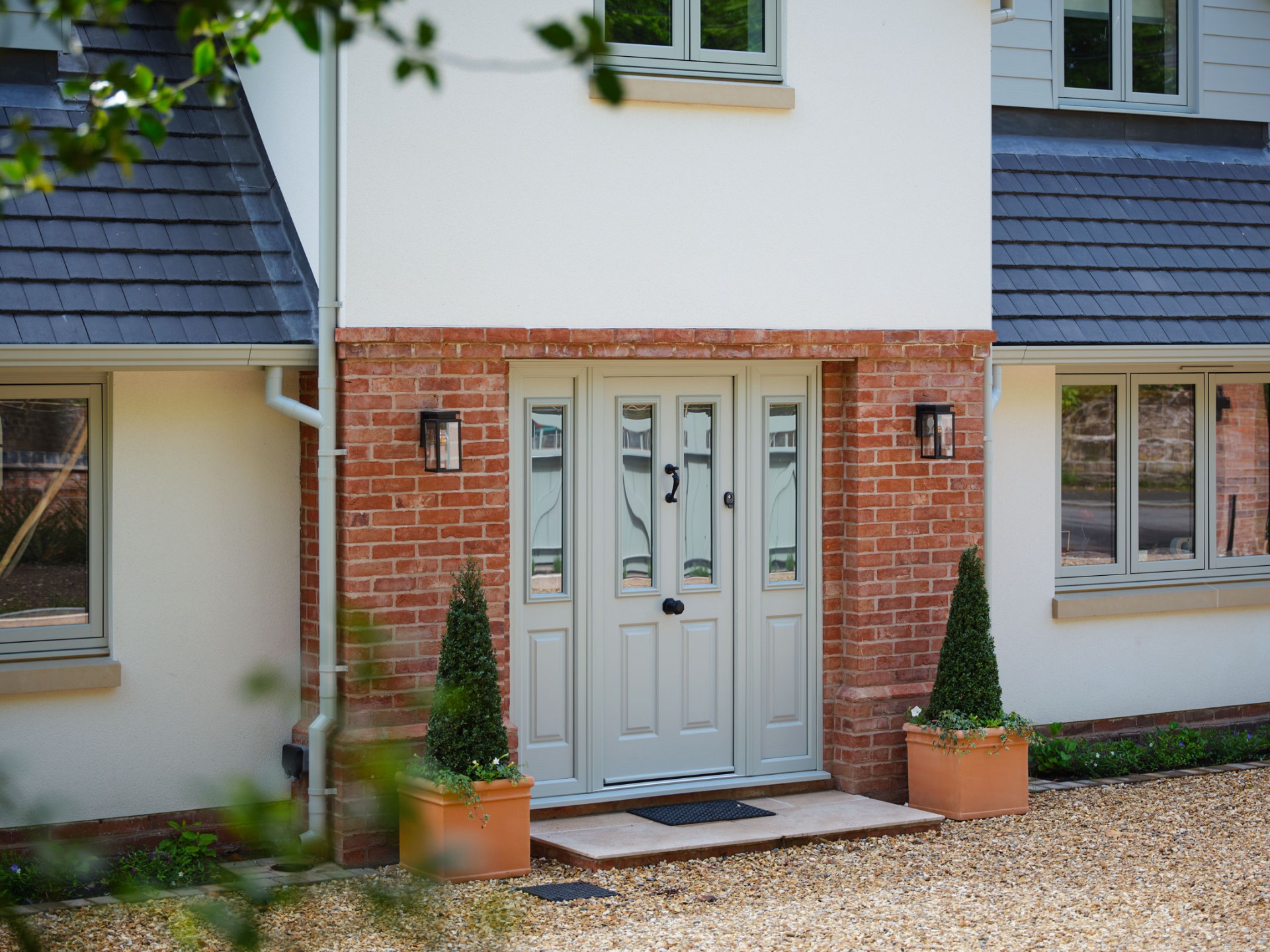
Green cottage composite door with three diamond glass panels
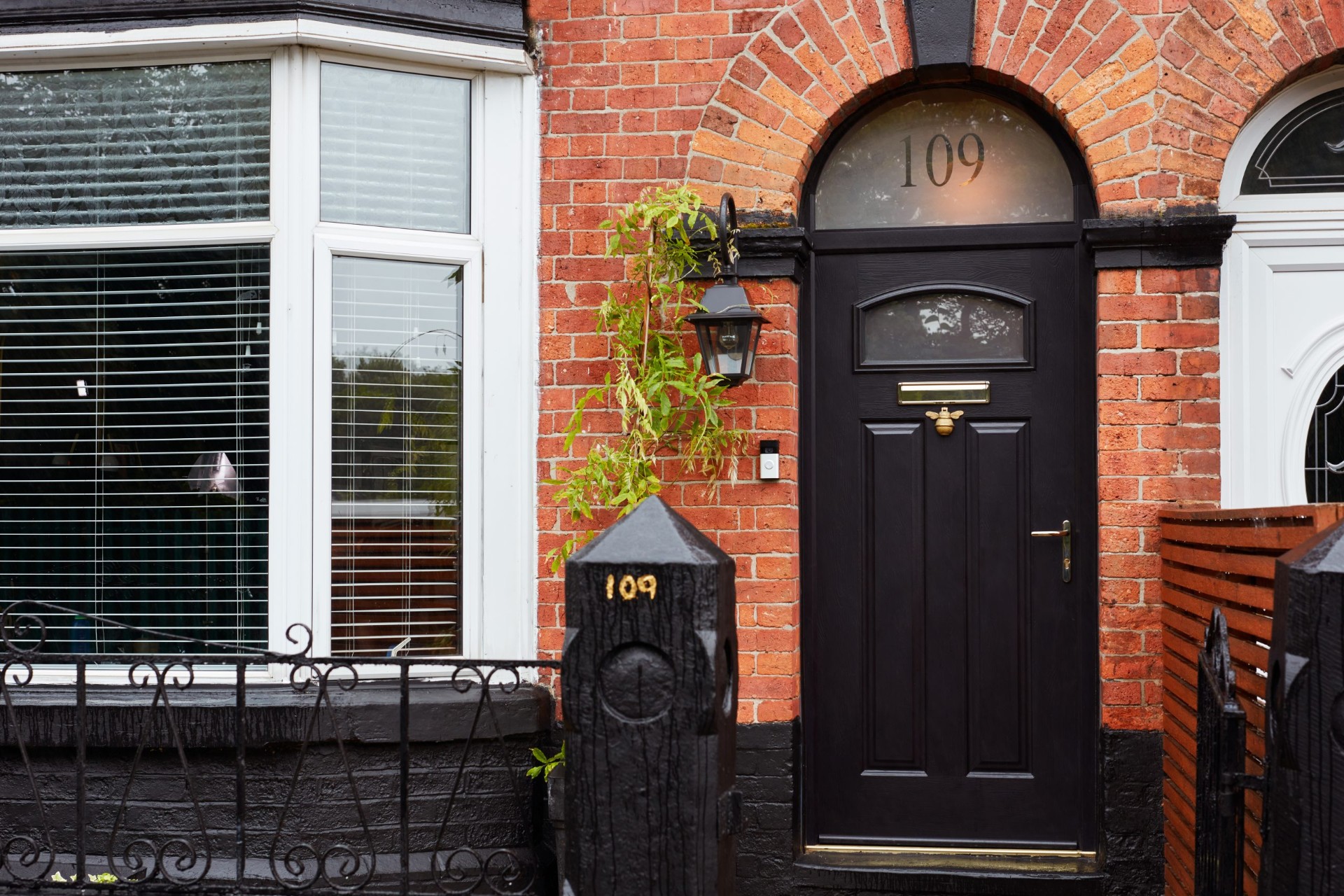
Black traditional composite door with arched fanlight on a Victorian red-brick terrace
PAS24 security tested
10-year written guarantee
Cornwall-based installers
CERTASS certified
Certass registered

Door fitters in Mousehole — composite front doors, done properly


Mousehole's tightly-packed granite harbour cottages form one of Cornwall's most photographed villages, and the conservation area rightly demands sympathetic front-door replacements. A heritage-style composite door — two-panel layout, chrome furniture, top-light glazing — reads as period-appropriate at ten paces.


On the ground in Mousehole


The village's south-facing harbour is relatively sheltered by Mount's Bay standards but salt exposure is still severe, particularly on properties along The Cliff and Fore Street. Marine-grade specification is standard — stainless throughout, drainable thresholds, colour skins guaranteed against fade for a decade.


Composite door prices in Mousehole


Fitted composite doors in Mousehole start from £1,395 for a standard single doorset and rise to around £2,895 for a wider door with side panels or premium hardware. Every quote is fixed and written — see our UK composite door cost guide for the full 2026 price breakdown, or read about front door replacement across Cornwall.

Want a quick price?

Free survey, no salesman, no obligation.

Get a free quote

Local landmarks

  • · Mousehole Harbour
  • · Newlyn Cliffs

Postcodes covered

TR19

Benefits

Composite door benefits for Mousehole homes.

Serious security

PAS24-tested doorset with a 3-star anti-snap cylinder and multi-point locking as standard.

Warm and efficient

U-values around 1.0 W/m²K — significantly better than uPVC or hardwood alternatives.

10-year colour guarantee

UV-stabilised GRP skins that hold their colour for a decade, even on south-facing frontages.

Zero maintenance

Never needs painting. A wipe with warm soapy water twice a year is all it asks for.

Kerb appeal you notice

Bespoke colour, hardware and glass combinations designed around your property.

Installed professionally

Cornwall-based, Certass-registered fitters. Same-day install with a full cleanup.

In short

Yes — we fit composite front and back doors throughout Mousehole, including the harbourside cottages on North Corner and Duck Street, working within the conservation area's expectations on colour, proportion and glazing. Fitted prices for a standard single door run £1,395–£2,895 depending on style, glazing and hardware, and every install carries a 10-year guarantee built for a village that takes green water over the harbour wall in a winter gale.

Streets and areas we cover: North Corner, Duck Street, Chapel Street, Raginnis Hill, The Parade, Virgin Street, Bridge Street, Foxhole, Coombe, Steamer Row and the lanes running up toward Paul from the top of the village.

A harbour that decides what your door has to survive

Mousehole's harbour wall is doing a job most Cornish harbours don't have to: keeping the sea out of the front rooms behind it. On a big south-easterly, water comes clean over the top at North Corner and runs down Duck Street, and the cottages nearest the wall take a soaking that has nothing to do with rain falling from above. We've refitted doors here that were sound timber twelve years earlier and had simply been worn through from the bottom up — the lower rail gone soft, the paint lifted in sheets, the lock keep rusted solid. A composite door doesn't have a bottom rail that can rot, because there isn't timber in the leaf for salt water to find. The GRP skin is bonded to a rigid foam and steel-reinforced core, so a soaking that would finish a painted softwood door in a decade barely marks a composite one.

That's the starting point for every Mousehole quote, not an upsell. We spec A4 marine-grade stainless steel for every visible and hidden fixing — hinges, keeps, cylinder guard, screws — because standard zinc-plated hardware will show rust bleed through the paint within two winters this close to the wall. The threshold is a drainable stainless-clad cill set with a bedded weatherbar, angled so that any water thrown at the door face runs off rather than pooling and finding its way under the sill. None of this is visible in a brochure photograph. It's the difference between a door that's still doing its job in year fifteen and one you're replacing again before the guarantee is even out.
Conservation area rules — what you can and can't change on a Mousehole cottage

Mousehole's older core, from the harbour up through Duck Street and Chapel Street, sits inside a conservation area, and a good number of the cottages here are unlisted but still subject to planning policy on external alterations because of the setting. That doesn't rule out a composite door — we fit them here regularly — but it does shape the specification. Panel layouts stay close to the traditional pattern the cottage originally had: a vertical-grain, painted-look six-panel or a plank-effect cottage door rather than anything with a contemporary flush face or a large glazed aperture. Colours run traditional — Cream, Chartwell Green, Black and occasionally a deep Racing Green — rather than the brighter or more industrial finishes that suit a 1990s estate elsewhere in Penzance.

If your cottage is listed rather than simply within the conservation area, the position is different and you'll need listed building consent before any external door is changed, composite or otherwise — we'll tell you plainly at survey if that's the case rather than let you find out from the planning department after the door's ordered. For the majority of Mousehole properties that fall under conservation-area policy without individual listing, a sympathetically detailed composite door with the right panel design, colour and door furniture goes through without objection, because visually it reads as the traditional door it's replacing — just one that won't need repainting every second summer.

Getting a door down Duck Street

Mousehole's lanes are narrow enough that logistics matter more here than almost anywhere else we work. A transit van cannot get down Duck Street or along North Corner in the season, and even in winter the turning circles are tight. We plan Mousehole installs around a hand-carry from the nearest legal parking — usually the top of the village near the car park off Raginnis Hill, or a short-term drop with the harbourmaster's knowledge if the tide and season allow a closer stop. The door slab, frame sections and glass are carried in rather than driven to the doorstep, which is exactly why we template precisely at survey: there's no scope for a last-minute adjustment on site when the material's already been carried down a flight of steps.

We also work around the tide. A big spring tide with a southerly blowing can put standing water across the lower part of the village, and we won't schedule a removal — leaving a house without a front door, even for an hour — on a day when that's forecast. Most Mousehole jobs run over a single day once we're on site, but we build slack into the diary for the harbourside properties specifically so a delayed low tide or a delivery hold-up doesn't turn into leaving a house open to the weather overnight.

What Mousehole actually orders

The order pattern here is more consistent than almost any other village we fit in. Chartwell Green and Cream dominate the harbourside cottages — colours that were already common on Mousehole's timber doors going back generations, and colours that photograph correctly against granite and white render in the flat grey light a gale brings with it. Black turns up on a handful of the fishermen's cottages around Coombe and Foxhole where the original doors were painted black rather than green. We see almost no Anthracite Grey or contemporary finishes within the old village — that's a Newlyn and Penzance pattern, not a Mousehole one — though the newer houses up toward Paul, outside the tightest part of the conservation area, take a broader range including Grey and Duck Egg Blue.

Furniture follows the same logic: black or antique-finish handles and letterplates rather than bright chrome, and a traditional knocker is more often requested here than in any other village on our books. It's a small detail, but it's the one that tells you a specification has actually been thought through for the place rather than copied from a standard order form.

Salt, damp and the inside of the door

The exterior weathering gets the attention, but a Mousehole front door also has to cope with what's happening on the inside face — cottages built with solid stone walls and minimal cavity insulation run a real risk of condensation on any cold surface, and a front door is one of the coldest surfaces in the house on a January morning. A composite door's foam core gives it a far better U-value than a stripped-back Georgian-style timber door, which cuts the temperature differential enough to stop condensation forming on the inside face in most cases. We still see it occasionally on properties with poor ventilation generally, and in those cases the fix usually isn't the door — it's a trickle vent or extractor fan elsewhere in the property working properly.

We fit a compression seal rather than a wiper seal as standard on every Mousehole door, because a compression seal handles the combination of wind-driven rain and a slightly out-of-true stone-built aperture better than a seal that simply brushes against the frame. On several of the older cottages the reveal isn't square by ten or fifteen millimetres over the height of the door — nothing wrong with the building, just three hundred years of settlement — and the frame is packed and shimmed to take that up rather than forcing the door to fit an idealised opening.

Cost and what changes it in Mousehole specifically

Fitted prices for a standard Mousehole composite door sit at £1,395–£2,895, and the variables that move you up or down that range here are slightly different to an inland town. Glazing is the biggest swing — a solid cottage-style door with no glass at all is at the lower end, while a top-light or side-panel glazed unit in obscure glass (which most Mousehole properties choose, given how close neighbouring windows are) pushes the price up. Hand-carry access down the lanes doesn't add to the quoted door price, but it does mean we allow more time on the day, which is factored into scheduling rather than cost.

Marine-grade fixings and the drainable threshold detail are included as standard in every Mousehole quote rather than sold as an upgrade — we don't think it's honest to quote a lower headline price on a door that won't survive the location it's going into. If you're comparing our quote to another supplier's and the figure looks noticeably lower, ask specifically what grade of fixings and threshold detail is included; that's usually where the difference sits.

Booking a survey in Mousehole

We survey Mousehole properties in person because no two apertures in the old village are quite the same, and because the access plan for the day depends on exactly which lane your door sits on. Bring us the make and rough age of your current door if you know it, and if your cottage is listed rather than simply within the conservation-area boundary, mention that when you book so we can bring the right paperwork and discuss the consent position before we quote.

What it costs in Mousehole

JobTypical fitted priceNotes
Standard composite front door, solid or part-glazed£1,395–£1,850Traditional six-panel or cottage plank style in Chartwell Green, Cream or Black.
Composite door with top-light or narrow side glazing£1,795–£2,395Obscure glazing as standard given close-set neighbouring windows.
Heritage-spec door with matched period furniture£1,995–£2,895Black or antique-finish handles, letterplate and traditional knocker.
Back or side door replacement (courtyard access)£1,295–£1,795Simpler profiles where conservation-area visibility from the street doesn't apply.
Marine-grade fixings and drainable thresholdIncluded as standardNot an upgrade — fitted to every Mousehole door regardless of package.
Hand-carry access surchargeNoneBuilt into scheduling time, not added to the material or fitting price.

Prices are guides from recent Mousehole jobs; your written quote is fixed after the free survey.

Where we cover

Fitting composite doors across Mousehole.

Every Mousehole postcode covered — TR19 — plus the surrounding villages and hamlets. Same specification, same 10-year guarantee, same crew.

Loading map — Par Moor Road, St Austell, PL25 3RF
Get Directions
FAQ

Common questions from Mousehole.

From the blog

Read our composite door guide for Mousehole

Local advice on colours, coastal spec, PAS24 security and what a Mousehole install actually looks like.

Read the Mousehole guide →

Get started

Free composite door quotes across Mousehole.

Free, no-obligation surveys across Cornwall. Written 10-year guarantee on every install.

Full county coverage

We cover the whole of Cornwall.

From Bude to Land's End, Padstow to the Lizard — our Cornwall-based surveyors and installers fit composite doors across every town, village and coastal parish in the county. Same standard, same 10-year guarantee, wherever you are.

  • Truro
  • Falmouth
  • Newquay
  • St Austell
  • Penzance
  • Bodmin
  • Bude
  • Launceston
  • Saltash
  • Redruth
  • Camborne
  • Helston
  • Liskeard
  • Wadebridge
Illustrated map of Cornwall showing towns we cover for composite door installation — Bude, Bodmin, Padstow, Tintagel, Newquay, St Austell, Truro, Falmouth, St Ives, Land's End and Lizard Point.