A parish caught between the reservoir and the town
Mabe Burnthouse doesn't announce itself the way Falmouth or Truro does. It's a parish rather than a postcard — a church, a scatter of farms, a Victorian schoolhouse turned village hall, and housing that has grown in three distinct waves around that centre. The oldest cottages sit tight against the churchyard wall, granite-built with openings that were never meant for a standard door blank. Then there's the mid-century ribbon of bungalows and semis that followed the road out toward Longdowns, built when Falmouth's shipyards and Penryn's paper mills still needed workers close by. And more recently, a run of newer executive homes has gone up on the fringes, chasing the combination of village quiet and a ten-minute run into Penryn or Falmouth.
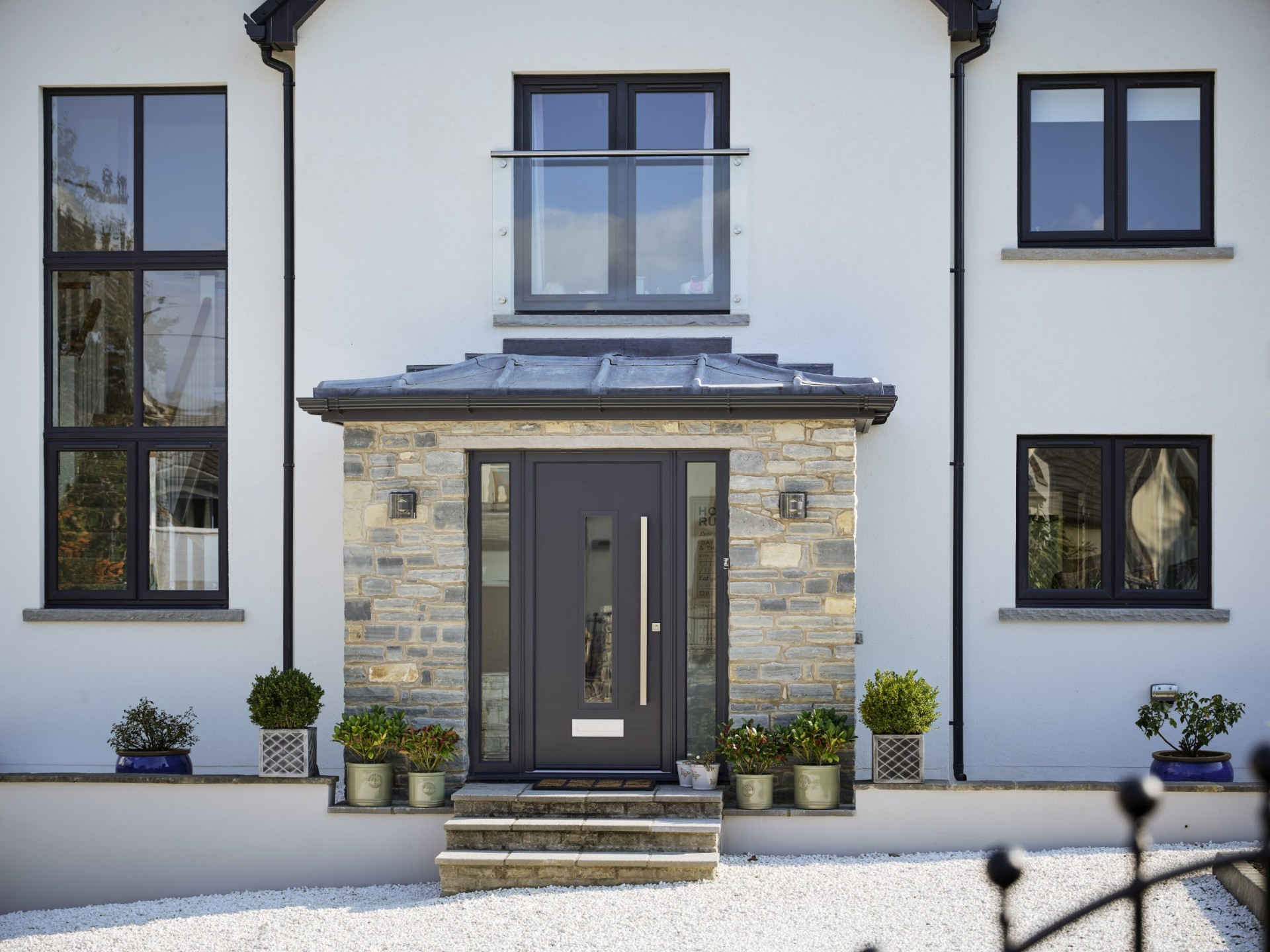
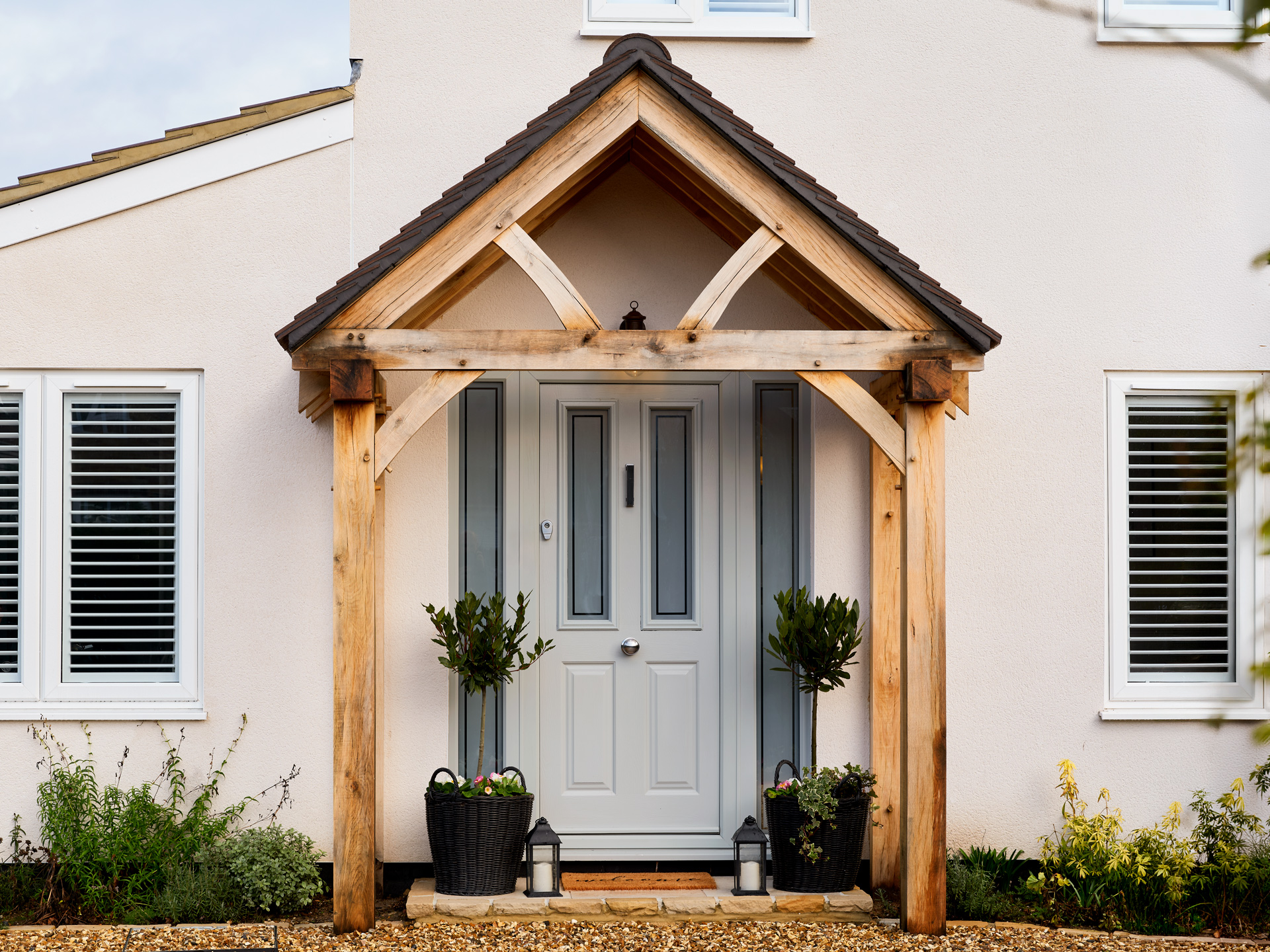
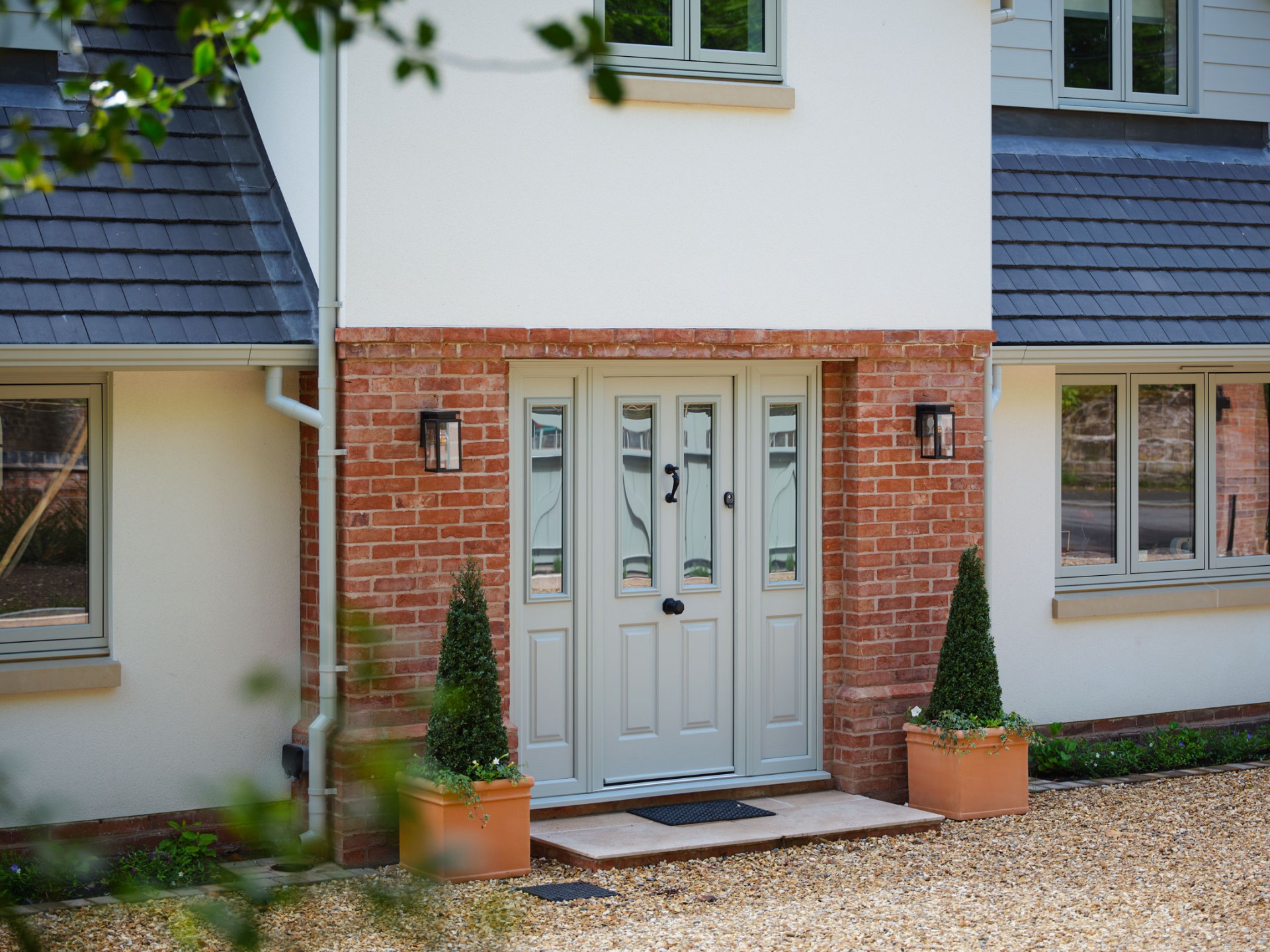
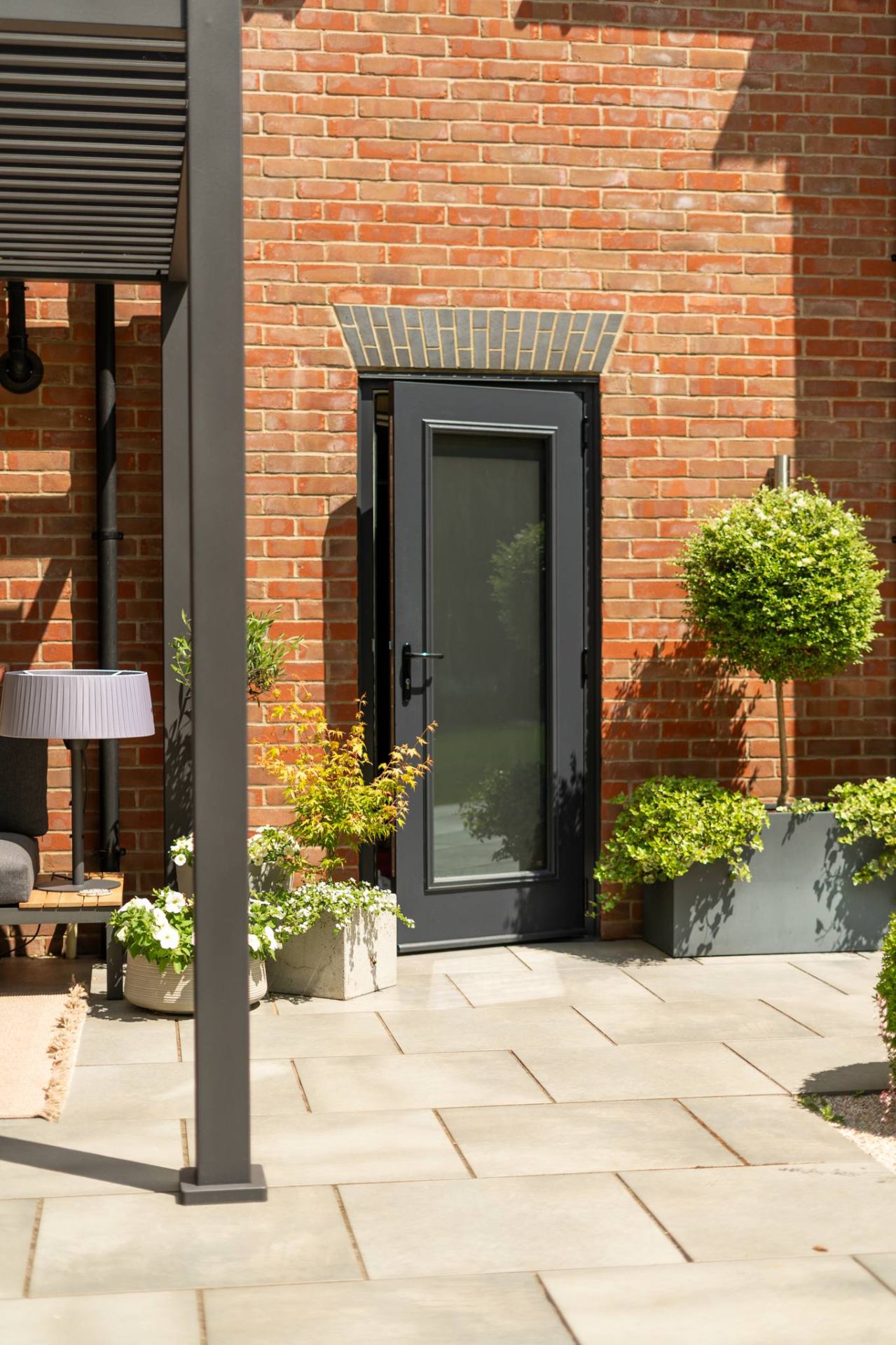
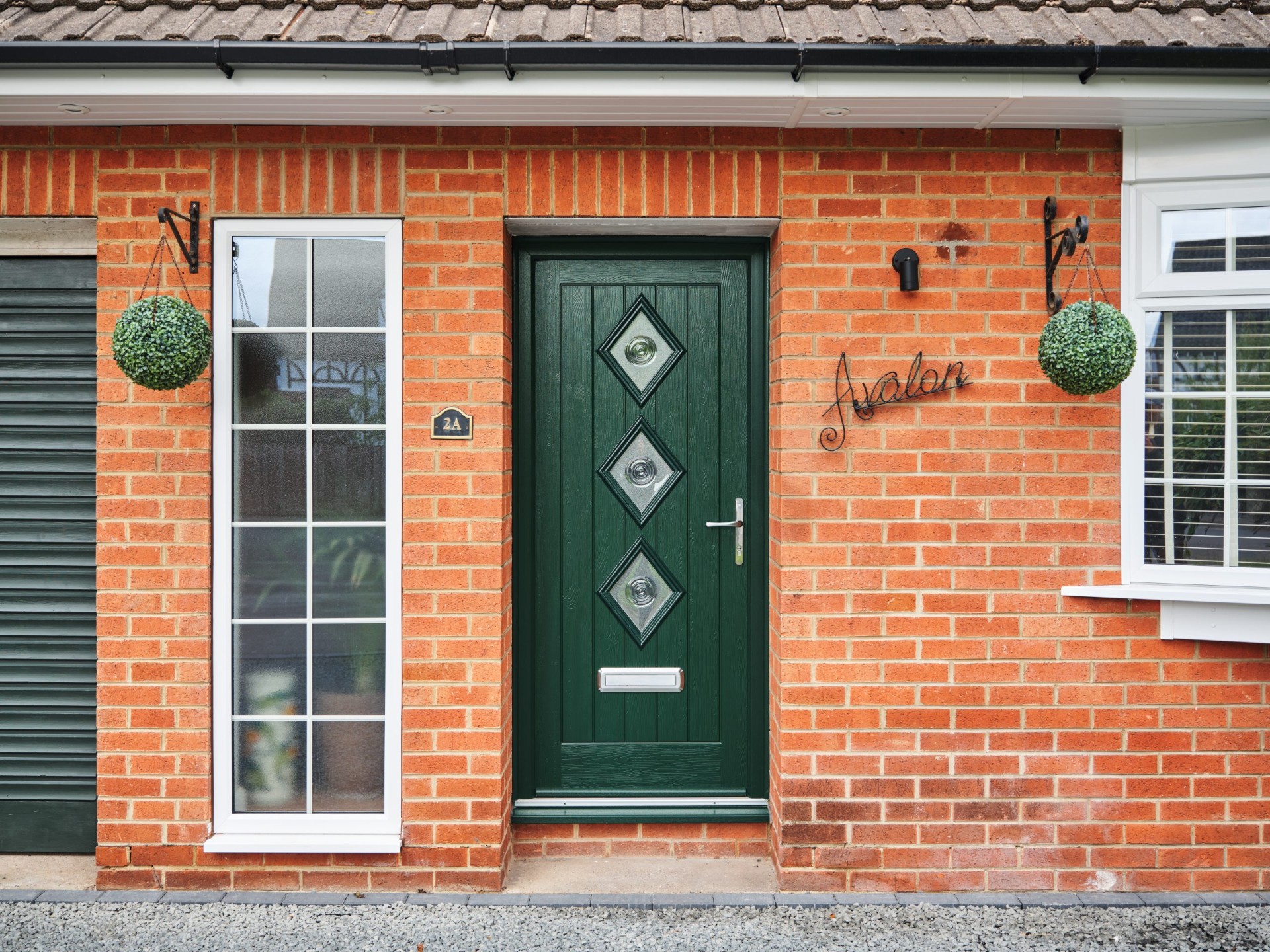
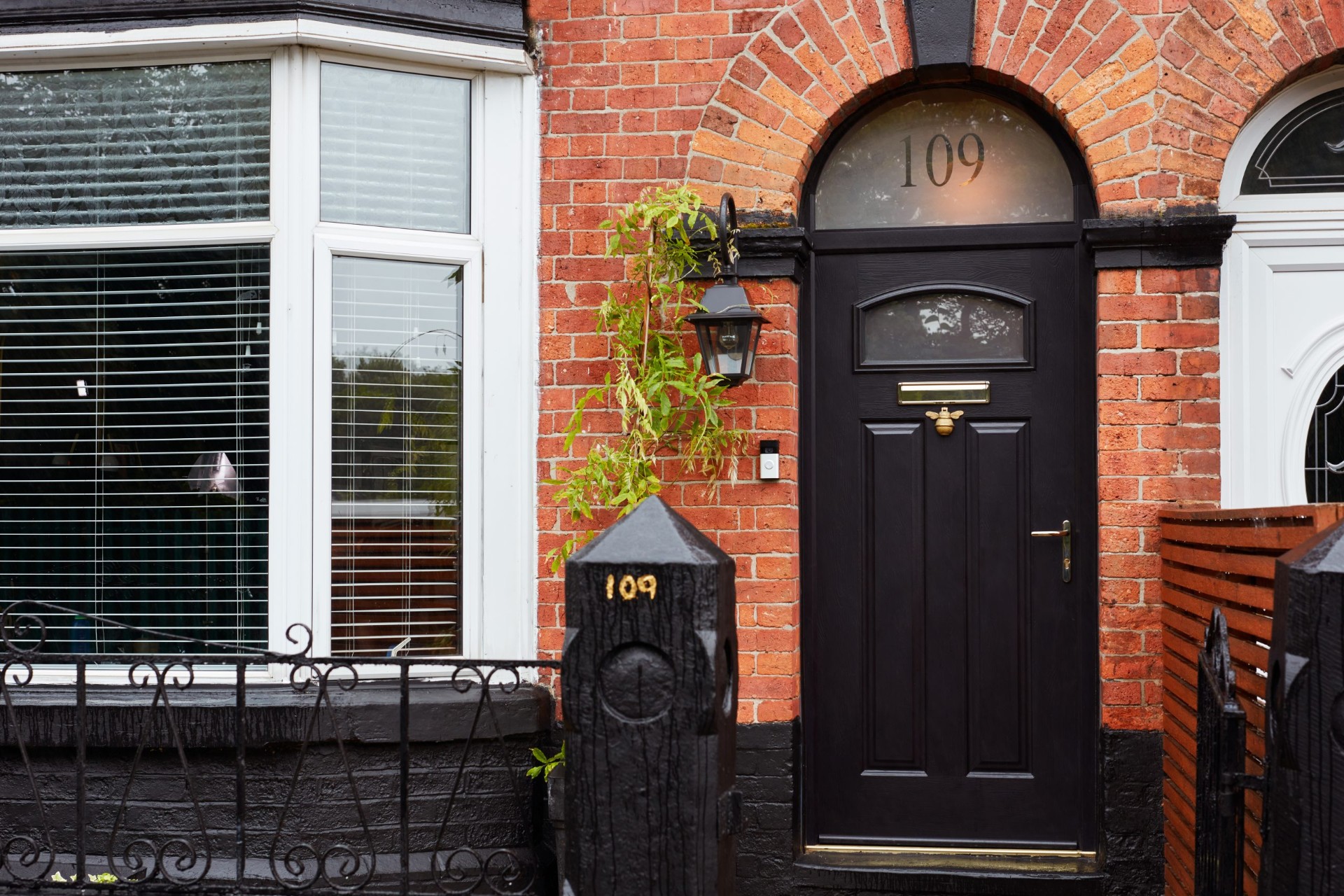
Each of those three eras wants something different from a front door, and we see all three inside a normal week's work here. The granite cottages need a frame templated by hand because nothing in a building this old is square — door openings settle over 150 years, and a standard off-the-shelf frame simply won't sit true. The mid-century semis usually just need a straight swap, same aperture, better door. The newer builds tend to arrive with a specific colour already chosen from a house-builder's original palette, and want to match it as closely as the Endurance range allows.
What ties Mabe Burnthouse together as a job is scale — it's a small parish, houses are spread out along lanes rather than packed into terraces, and a good chunk of our time on any visit here is simply getting the van down a single-track lane without putting a wing mirror through someone's hedge.