A mining village that ended up on a windy ridge
Lanner grew where it did because of tin and copper, not because the site offered any shelter from the weather — the village sits on genuinely high, exposed ground between Redruth and Falmouth, part of the mining district that stretches out toward Carn Brea and Four Lanes. That history shapes the housing stock directly: terraces of miners' cottages built shoulder to shoulder along Church Road and through the older parts of the village, packed tightly for warmth and mutual shelter rather than for street-front appearance, alongside a substantial amount of newer estate housing built on the flatter ground toward the edges of the village from the 1970s onward.
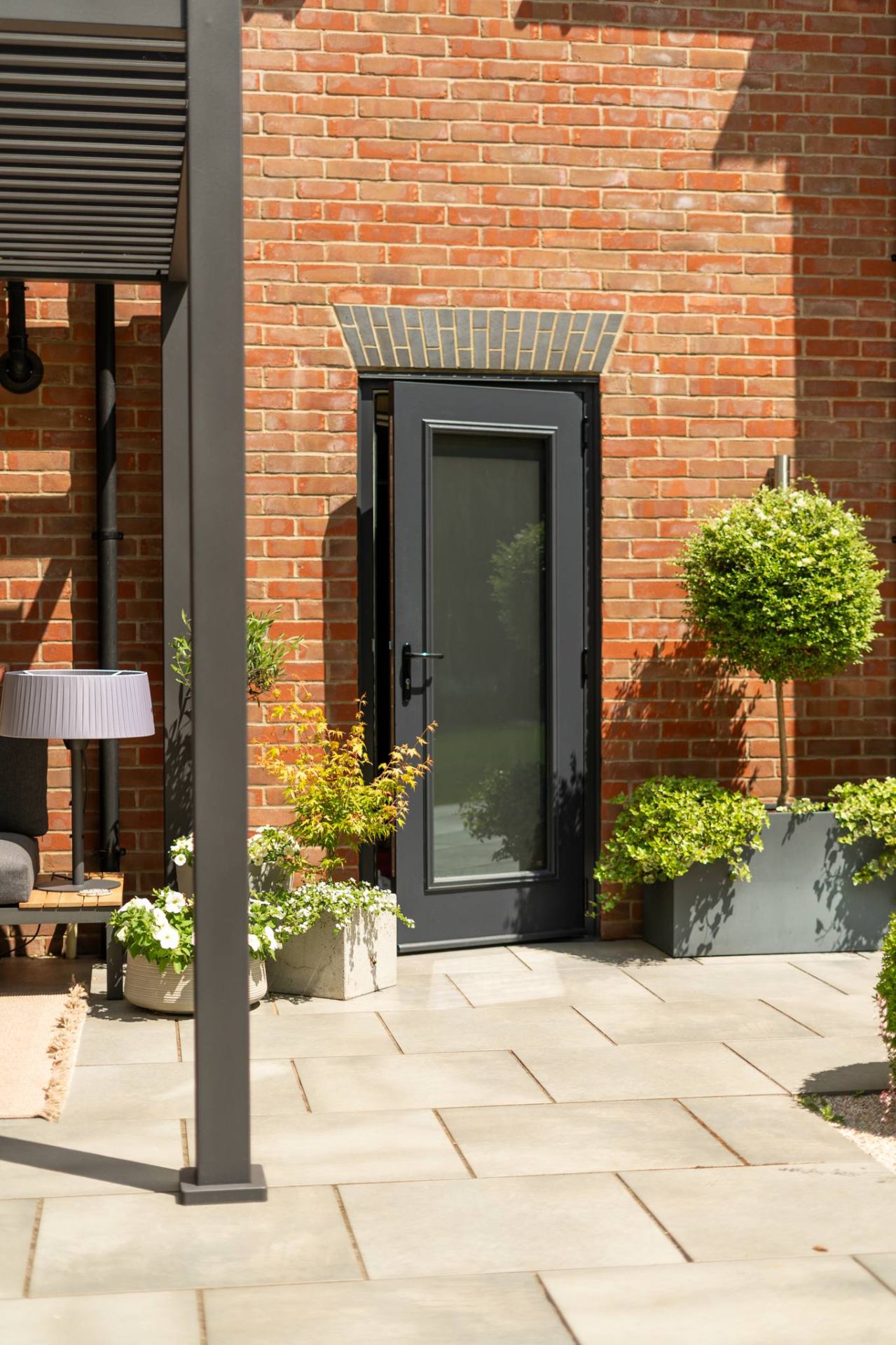
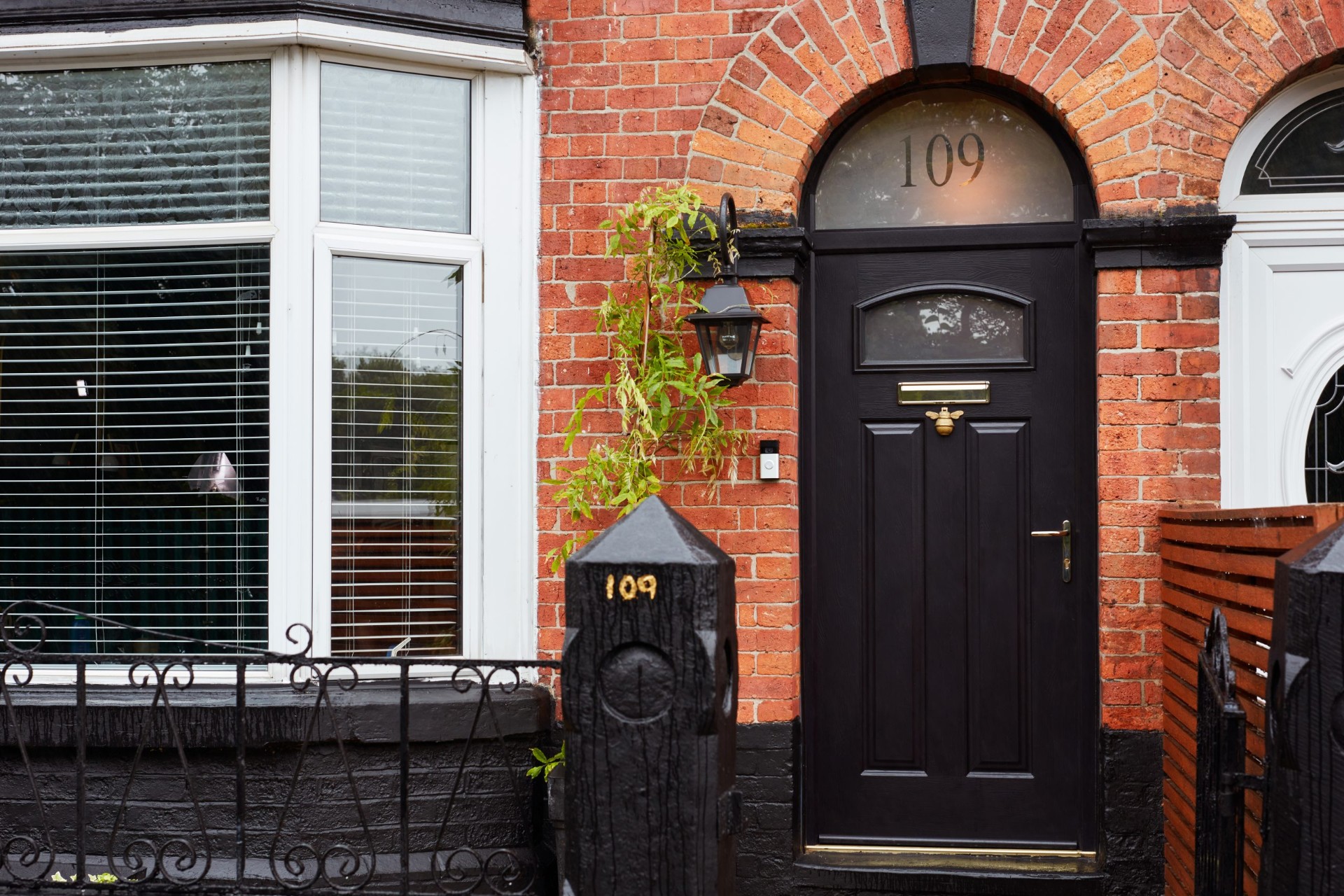
The terraces present a specific and consistent job for us: narrow frontages, doors set directly onto the street with little to no porch or recess, and stone reveals that have usually been altered at least once over a century and a half of occupation. Getting an accurate template on one of these openings matters more than on a modern estate house, because the 'square' opening you'd expect from a plan drawing rarely exists in practice on a building this age.
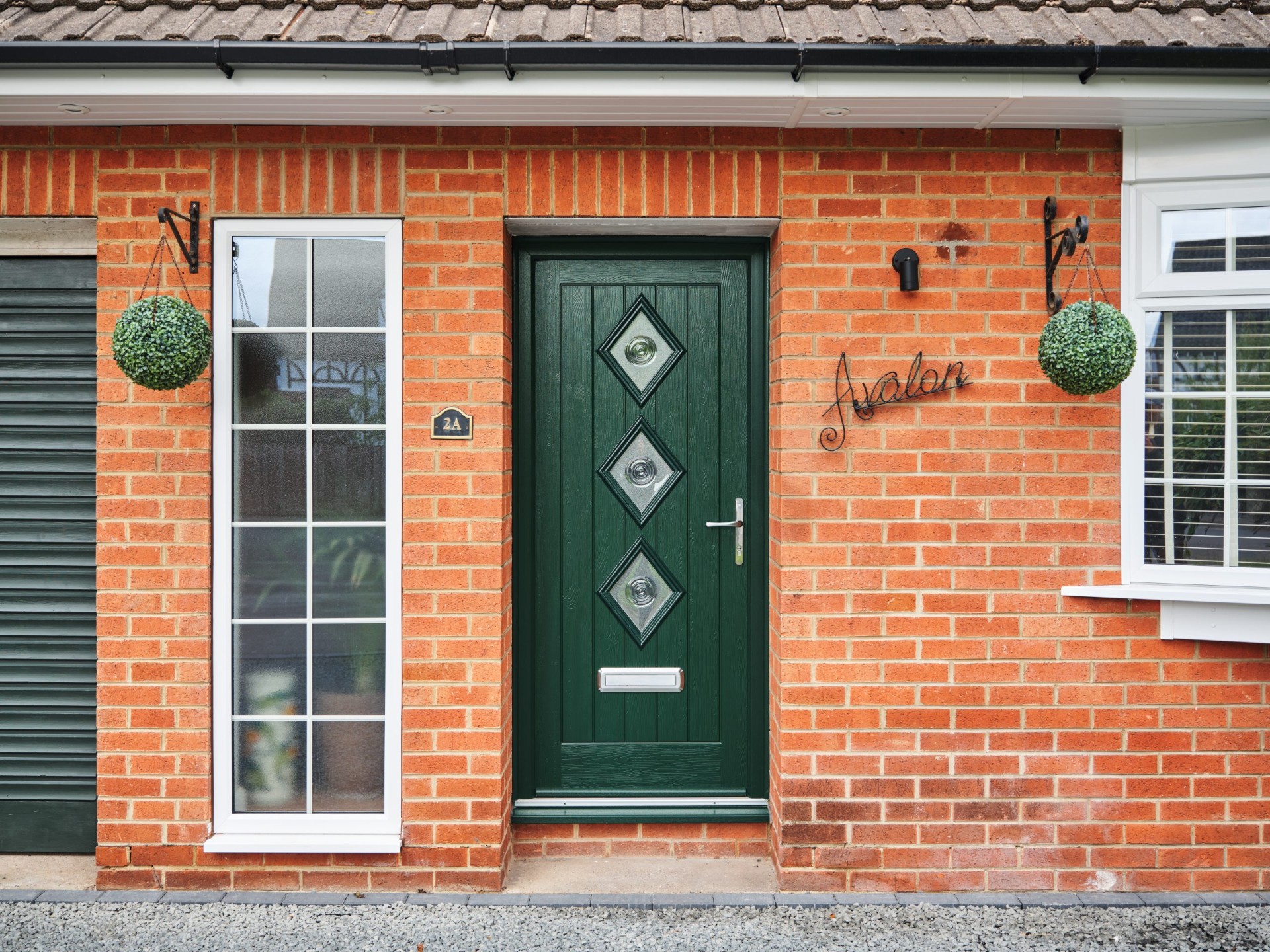
The newer estates are a different and simpler job — standard cavity construction, regular openings, straightforward access — but they sit on exactly the same exposed high ground as the terraces, and the wind doesn't care what decade a house was built in.