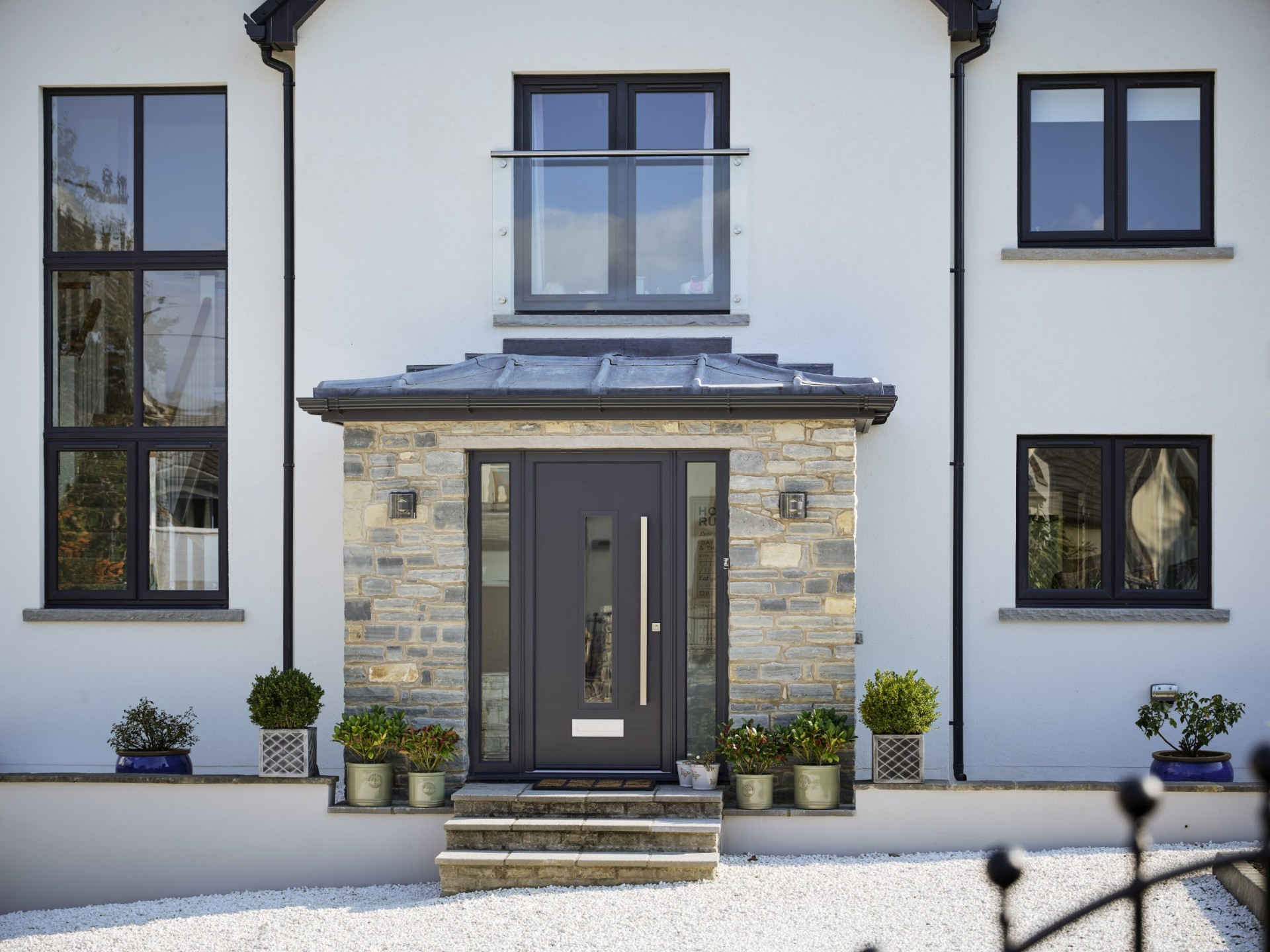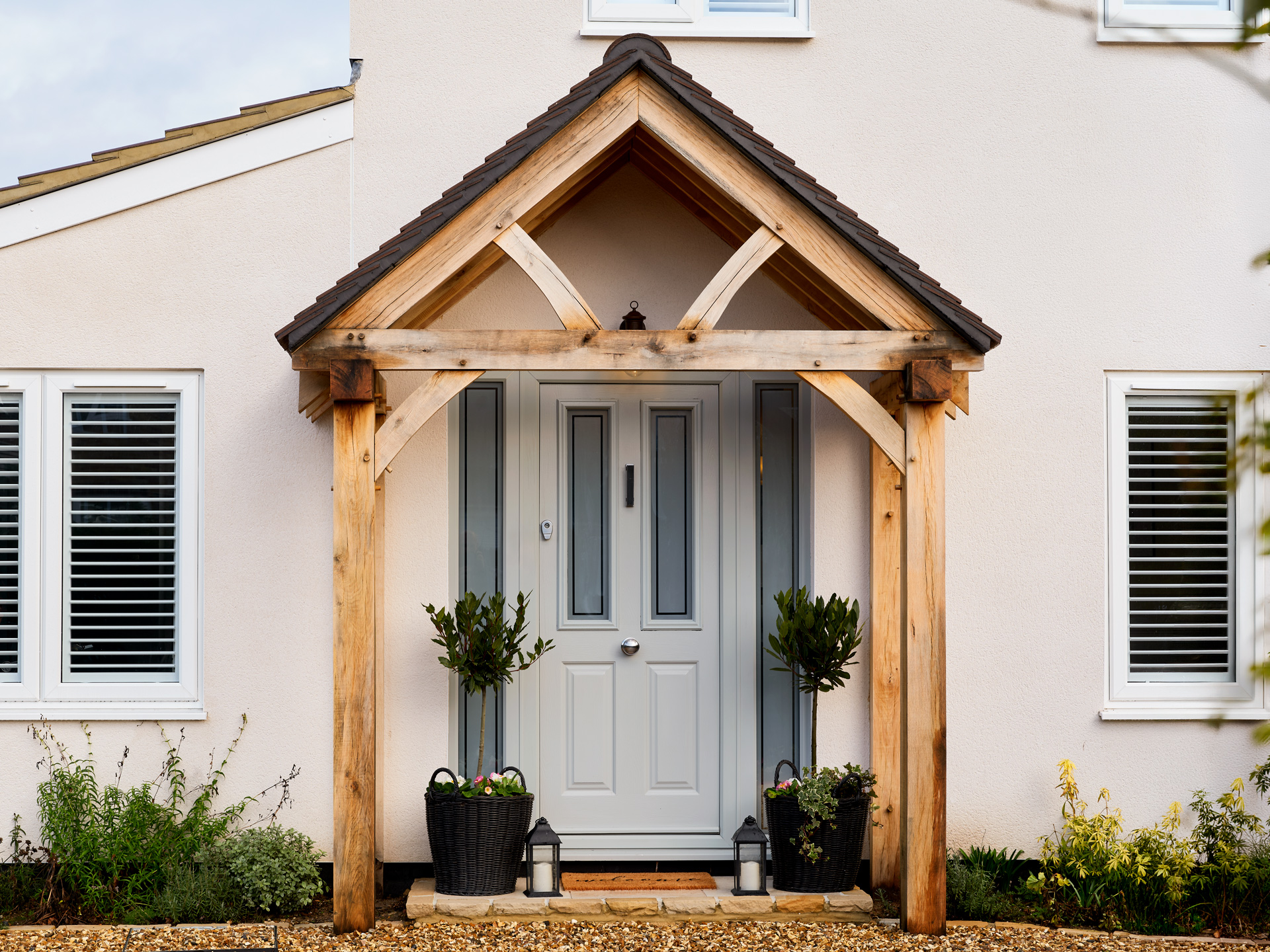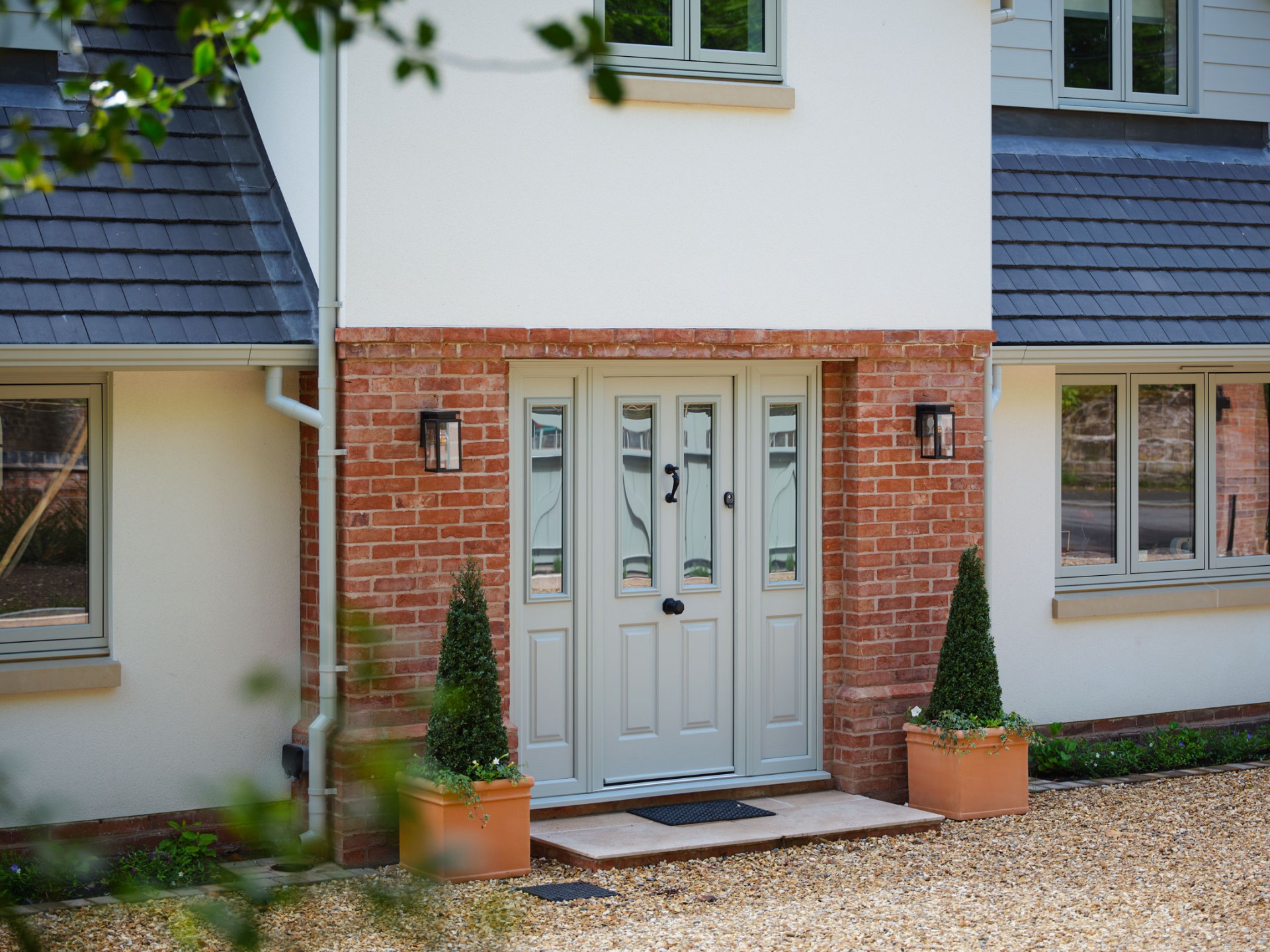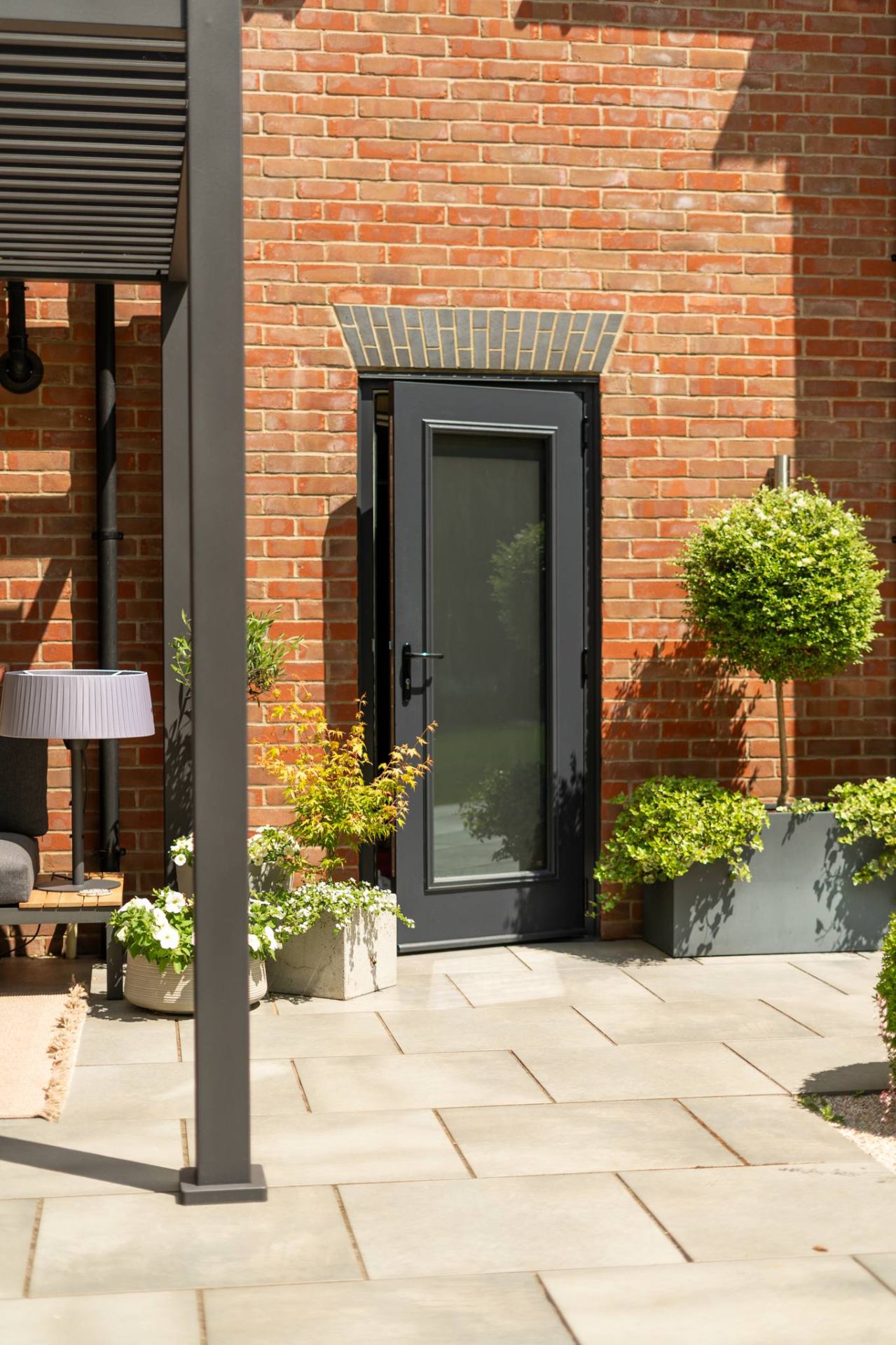
A mining valley village with steep streets and older housing stock
Gunnislake sits where the old road from Cornwall into Devon drops down to cross the Tamar, and the village's character comes directly from that history — mining terraces built for Devon Great Consols workers in the 19th century, later expansion around Drakewalls and Albaston as the mines declined and other work took over, and a scattering of older farmhouses and cottages on the lanes toward Chilsworthy and Latchley. It's a steep place. Streets drop sharply toward the river and the old bridge, and that gradient shapes almost everything about how a job here gets planned, from van access to how water actually behaves around a doorway.
The mining terraces themselves tend to have narrow, tall door openings built to a Victorian standard that doesn't match modern stock sizes, so templating to the actual aperture rather than assuming a standard width is essential — we see this more often in Gunnislake than in the more genteel Victorian terraces of somewhere like Truro, simply because these were built quickly and cheaply for mine workers rather than to a considered architectural pattern.
Newer housing around St Anne's Road and the fringes toward Harrowbarrow is more conventional and easier to template, but the valley setting still matters for the weather side of the specification regardless of the age of the property.